A silent revolution is humming behind every AI breakthrough, one powered not by algorithms, but by electricity.
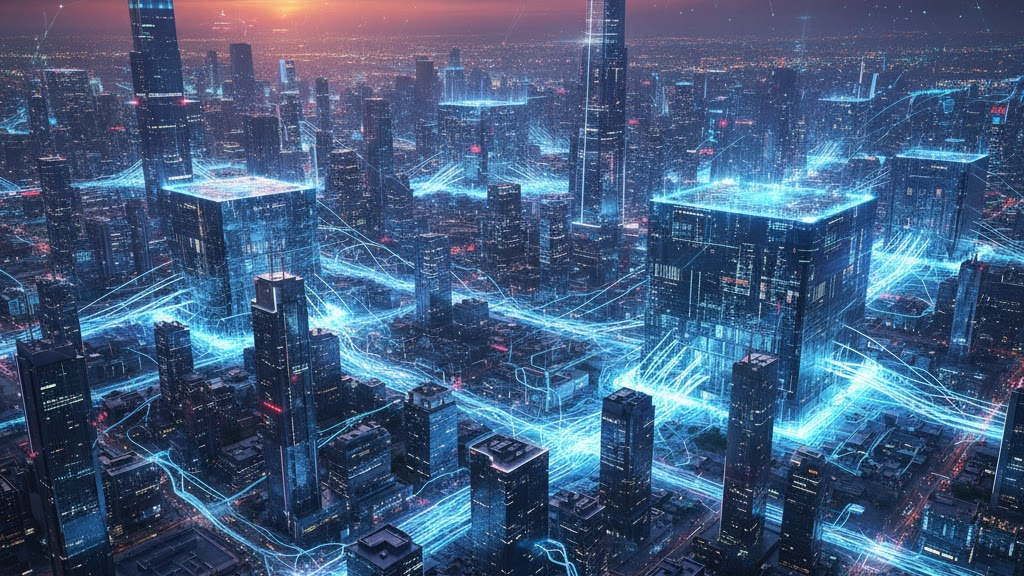
Mid journey creates an image, or a self-driving car identifies a pedestrian a colossal amount of computing power is at work.
These computations happen inside sprawling AI data centers and the digital factories of the 21st century.
But there’s a growing problem:
They’re hungry for power. And not just a little.
According to a new Goldman Sachs report, AI-driven data centers will increase global power demand by 160% by 2030.
That’s not just a statistic, it’s a wake-up call to rethink how our energy grids, policies, and economies are built.
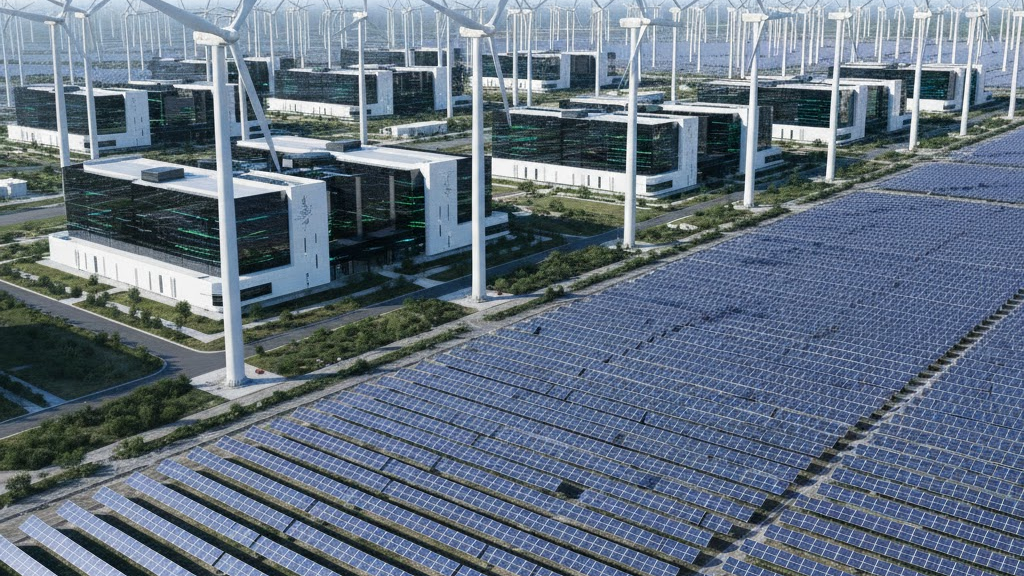
AI’s expansion has been breathtaking.
From chatbots that talk like humans to predictive systems that run global trade, the world’s biggest companies Google, Microsoft, Reliance, and Amazon are in an AI arms race.
Each new AI model requires:
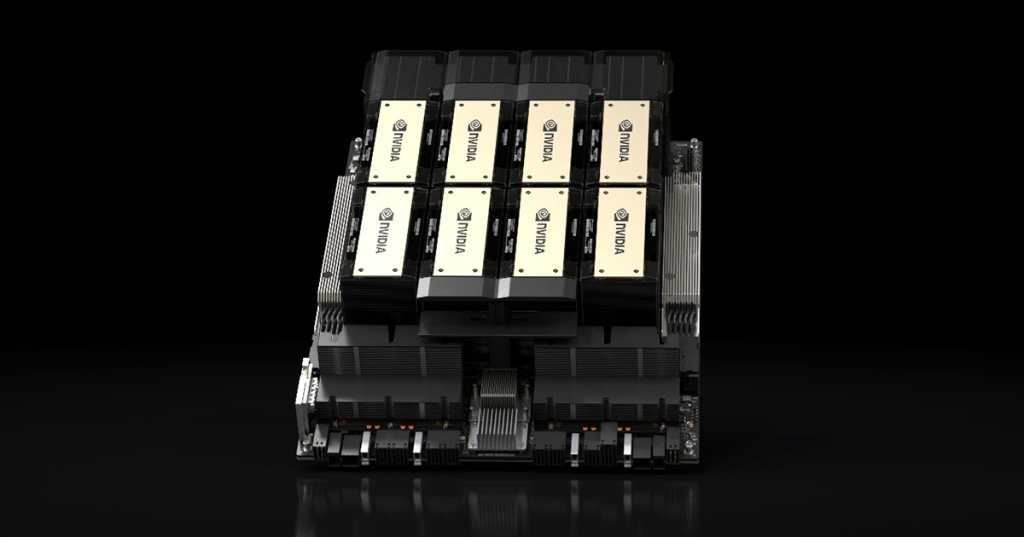
- Thousands of GPUs (high-performance chips)
- Continuous training data flow
- Cooling systems the size of football fields
All of this translates into one thing: power.
Goldman Sachs estimates AI could soon consume as much electricity as an entire medium-sized country.
That means AI isn’t just reshaping industries, it’s reshaping the planet’s power map.
Google, which operates one of the world’s largest cloud infrastructures, has pledged to run 100% on carbon-free energy by 2030.
Their secret weapon? Smart algorithms that shift computing loads to regions with clean energy availability.
Microsoft’s latest AI data center in Iowa uses advanced liquid cooling to handle its enormous heat output.
But it’s not just about keeping machines cool; it’s about cutting energy use by 30%, proving that sustainability can go hand in hand with scale.
Closer to home, Reliance Industries has announced a $15 billion investment to become a deep-tech powerhouse integrating AI into energy, retail, and telecom.
The company is exploring AI-optimized energy systems that can forecast demand and balance renewable supply, a potential game-changer for India’s power grid.
- AI’s power use may triple by 2027, reaching over 400 TWh annually roughly equivalent to the energy consumption of Sweden.
- Over 70% of new data center builds planned worldwide now include renewable integration, signaling a global shift toward green intelligence.
In Helsinki, Finland, waste heat from data centers is recycled to warm homes in a brilliant circular energy system.
By capturing and redistributing excess heat, they cut city emissions by 10% while hosting massive AI workloads.
This is what the future could look like: AI as both consumer and contributor to the energy ecosystem.
We often talk about AI’s power in terms of intelligence but its real power lies in electricity.
The next frontier isn’t just smarter algorithms, but smarter infrastructure that can handle them sustainably.
If AI is the brain of the digital age, energy is its heartbeat.
And as that heartbeat accelerates, the world must ensure it stays strong through innovation, renewable investment, and responsible design.
Whether you’re an entrepreneur, engineer, or policymaker this is the moment to rethink how we power intelligence.
Invest in green tech, support energy-efficient computing, and push for sustainability-first AI development.
Because the future of AI won’t just be measured in teraflops it’ll be measured in watts saved.
- AI data centers
- energy demand 2030
- AI infrastructure
- sustainable computing
- clean energy and AI


 Cybervibe
Leave a comment