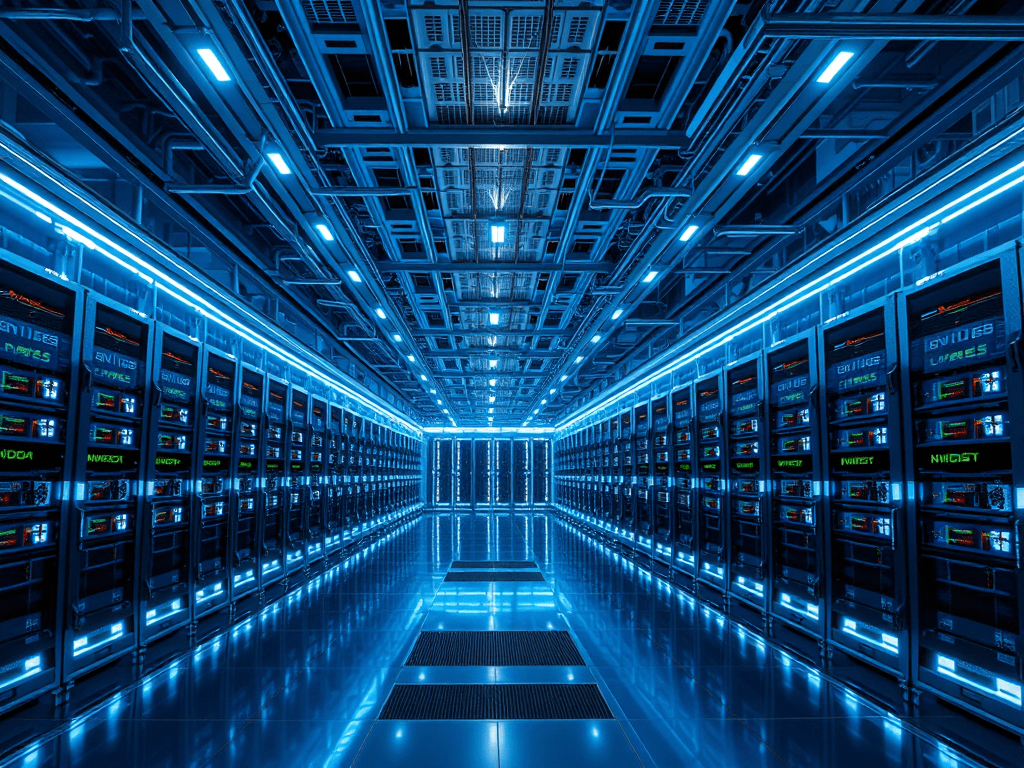
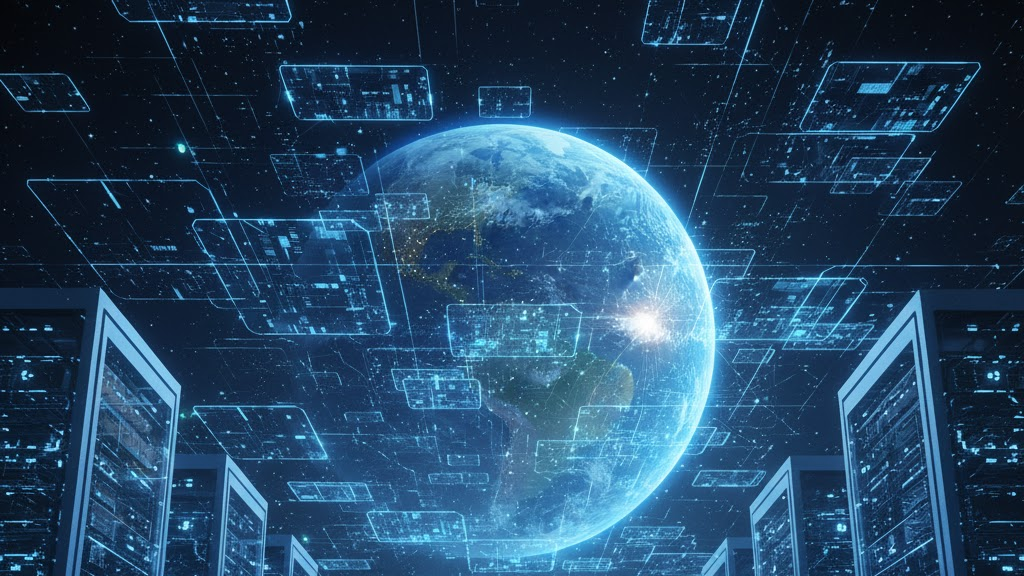
In a bold move that underscores the escalating global race in artificial intelligence, Microsoft is reported to be building what industry insiders are calling a “planet-scale AI superfactory.” According to reports from The Times of India and other tech outlets, this initiative involves a massive, next-generation datacentre network located in the United States.designed specifically to handle the explosive growth of AI workloads.
This development could mark one of the most significant infrastructure leaps in the history of modern computing. While companies worldwide continue rolling out AI applications and tools, the real battle,the one that determines long-term AI dominance,is unfolding behind the scenes: who controls the most powerful infrastructure?
In this blog, we dive deep into what a planet-scale AI superfactory actually means, why Microsoft is building it now, and how this could reshape global AI leadership over the next decade.
1. What Is a “Planet-Scale AI Superfactory”?
The phrase “planet-scale” isn’t hyperbole. It refers to datacentres and AI compute infrastructure built at a scale so large that it supports:
- Billions of users
- Trillions of AI computations per second
- Continuous model training and inference
- Global, low-latency cloud services
- High-density GPU/TPU clusters
- Massive energy and cooling systems
Think of it as a power plant for AI,except instead of electricity, it generates computation at unprecedented levels.
It’s essentially a supercomputer network,but distributed across multiple locations, interconnected by high-speed fiber, and powered by cutting-edge GPU and AI accelerator farms.
This is not just another datacentre.
This is the next generation of AI manufacturing.
1.1 The Core Components Include:
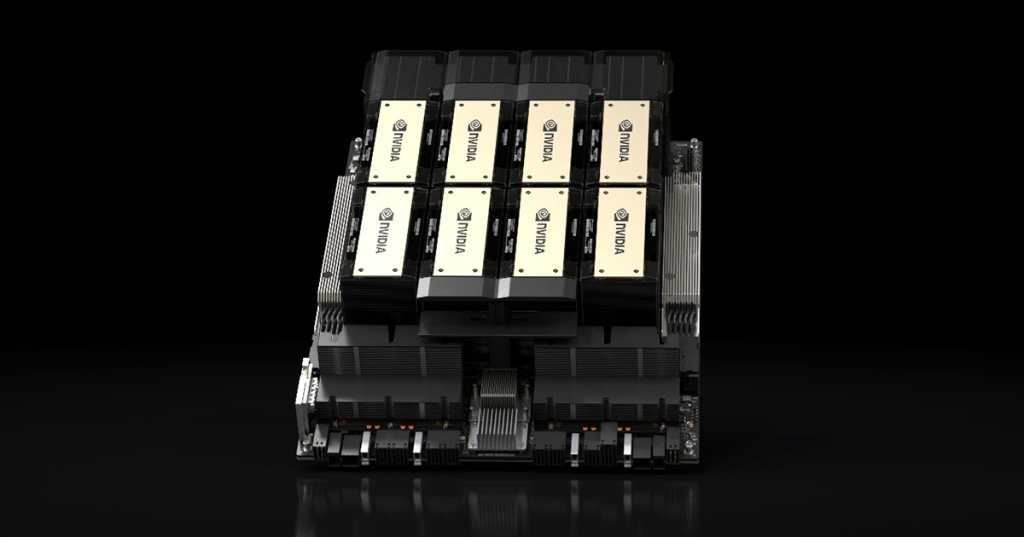
High-performance GPU clusters
Likely containing hundreds of thousands of next-gen NVIDIA GPUs or custom Microsoft chips.
Specialized AI accelerators
Microsoft recently announced custom silicon (“Azure Maia” and “Azure Cobalt”), making this superfactory even more powerful and cost efficient.
Quantum-ready architecture
Not confirmed, but likely aligned with Microsoft’s quantum computing roadmap.
Massive cooling and energy systems
Advanced cooling (liquid, immersion, or hybrid) to support GPU-intensive operations.
A global data pipeline
Ultra-fast connectivity to sync AI models, data, and workloads across the world.
This “factory” will not produce physical goods,it will produce AI capabilities, data insights, models, and compute power.
2. Why Is Microsoft Building This Now?
AI adoption is accelerating at a pace no one predicted. Large language models, generative AI, autonomous systems, and specialized enterprise AI tools are consuming enormous amounts of compute power.
Microsoft, a major partner of OpenAI and a global AI leader, knows that the next stage of the AI race will not be won by the best app or model,but by the biggest, fastest, most powerful infrastructure.
The reasons are clear:
2.1 AI Workloads Are Exploding
AI models are:
- Getting bigger
- Training on more data
- Requiring more inference power
- Running in real time for millions of users
A single modern AI model like GPT-5 is believed to require millions of GPU hours to train and even more compute for deployment.
2.2 Demand from Enterprise Customers Is Surging
Enterprises are now integrating AI across:
- HR
- Marketing
- Finance
- Operations
- Manufacturing
- Customer support
This means ongoing, large-scale compute requirements that cloud platforms must meet.
2.3 Microsoft Wants to Stay Ahead of Amazon and Google
AWS and Google Cloud are building massive AI infrastructure too.
But Microsoft:
- Has a major stake in OpenAI
- Is integrating AI deeply into Windows, Office, Azure
- Is building custom silicon
- Is rapidly expanding its data centre footprint
The superfactory could give Microsoft a competitive advantage for the next 5–10 years.
2.4 The US Government Supports AI Infrastructure Growth
AI has national-security implications.
Supercomputing and AI leadership are key goals for the United States, prompting:
- Incentives
- Partnerships
- Regulatory support
- Infrastructure development programs
Microsoft’s move aligns with broader national AI strategies.
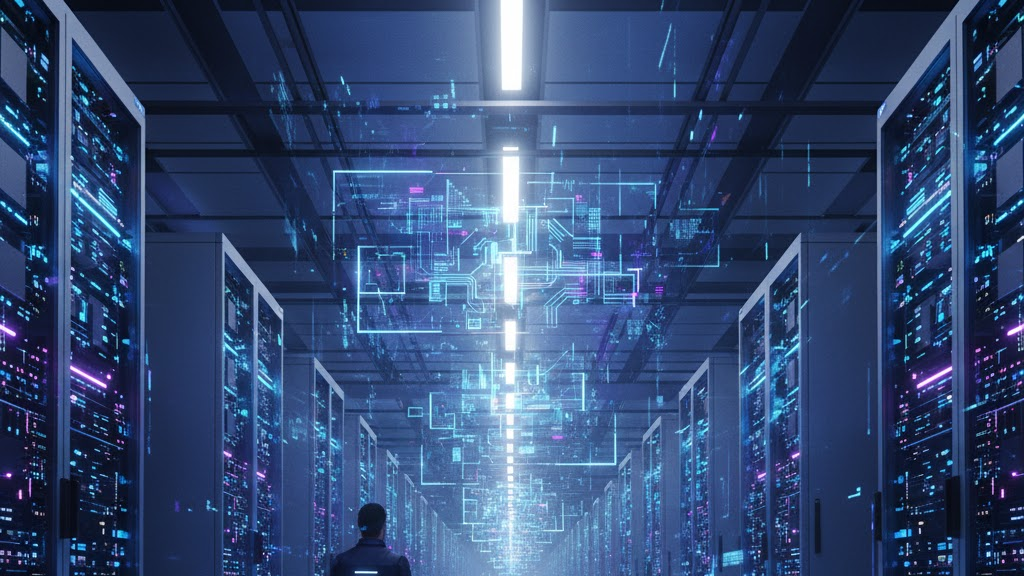
3. How Big Could This AI Superfactory Be?
While specific details are confidential, analysts predict that this may become one of the largest datacentre projects ever created, potentially surpassing:
- Google Global Compute
- Amazon’s cloud AI farms
- Meta’s AI data campuses
- NVIDIA’s DGX superclusters
Expected capabilities include:
Exascale computing
The ability to perform one billion billion (10^18) operations per second.
Dedicated AI model training zones
For OpenAI models and Microsoft’s own AI.
Continuous training pipelines
For reinforcement learning, multimodal AI, and robotics models.
AI inference farms
To serve real-time AI responses to millions of users simultaneously.
Robust cybersecurity layers
Essential for protecting AI models and enterprise data.
Next-gen cloud services
Azure will likely use this superfactory to offer new AI-powered cloud tiers.
In short: Microsoft is not building for today,it’s building for the next decade of AI dominance.
4. Why This Matters for the Global Tech Landscape
This move has massive implications for every part of the technology ecosystem.
4.1 AI Infrastructure Becomes the New Oil
Just like oil fueled the industrial age, compute power fuels the AI age.
Companies with the biggest compute will:
- Train better models
- Offer better AI services
- Attract enterprise customers
- Control more data
- Build economic and technological leverage
Microsoft is positioning itself as the main supplier of this new resource.
4.2 Competitive Edge Against Big Tech Rivals
Big Tech competition is no longer just about:
- Apps
- Cloud services
- Operating systems
It’s now about who can build and maintain the world’s most powerful AI infrastructure.
Microsoft’s superfactory could become:
- A moat
- A differentiator
- A long-term competitive fortress
4.3 Huge Boost for Enterprise AI Adoption
Once this infrastructure comes online:
- AI services will become cheaper
- More reliable
- More scalable
- Faster
- More integrated
This removes one of the biggest barriers for companies adopting AI: high compute cost.
4.4 India Will Benefit Indirectly
Even though the superfactory is in the US, India gains because:
- Indian enterprises increasingly adopt Azure
- Microsoft expands cloud and AI services locally
- More AI tools become accessible
- Startup ecosystems tap into advanced AI infrastructure
- Skill development in India accelerates
India is one of Microsoft’s fastest-growing markets,this superfactory will empower millions of Indian developers and companies.
5. What Does This Mean for the Future of AI?
Microsoft’s AI superfactory could:
1. Accelerate model development
Faster training = faster breakthroughs.
2. Reduce AI costs
Economies of scale lower customer pricing.
3. Enable real-time global AI services
From translation to autonomous systems.
4. Support frontier research
Including robotics, medicine, AGI, and quantum AI.
5. Shift the balance of power
Countries and companies with AI infrastructure become global leaders.
This project is more than a datacentre,it is a strategic global asset.
Conclusion
Microsoft’s reported “planet-scale AI superfactory” represents a monumental step forward in the evolution of AI infrastructure. As AI adoption explodes across industries, nations, and everyday life, the real competition is no longer about apps or platforms,it’s about compute power, data pipelines, and datacentre dominance.
This superfactory could reshape:
- Enterprise AI
- Cloud computing
- National AI strategies
- Big Tech competition
- The speed at which AI evolves
As companies around the world scramble to secure GPUs, servers, and AI accelerators, Microsoft is building the factory of the future,one capable of powering the global AI revolution.


 Cybervibe
Leave a comment