The global AI race is accelerating faster than ever, but behind the excitement lies a powerful reality check. Tech giants like Microsoft, Google (Alphabet), and Amazon have collectively poured over $600 billion into AI between 2023 and 2025, and projections suggest this could climb to nearly $1 trillion by 2026.
But instead of becoming stronger, these companies are beginning to feel the strain.
This shift isn’t just financial, it’s transforming how Big Tech operates, competes, and grows. Here’s what’s happening and why it matters for investors, businesses, and the entire tech ecosystem.
AI Investments Are Pushing Big Tech Into Uncharted Territory
According to the Wall Street Journal, the world’s largest tech companies are undergoing a dramatic shift:
- Cash reserves are shrinking
- Free cash flow is tightening
- AI is forcing companies into massive hardware spending rather than purely software-driven profits.
Traditionally, Big Tech thrived on scalable software models, low physical costs, high margins, global reach.
But generative AI and cloud-AI infrastructure demand something entirely different:
AI is now a capital-intensive business:
- Huge data centers
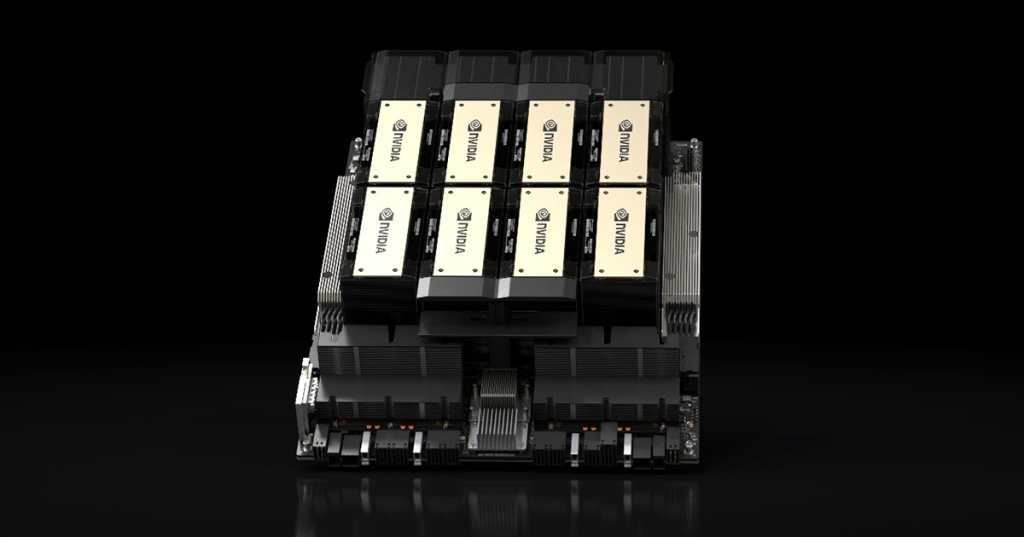
- Millions of GPUs and specialized chips
- Cooling systems, electricity, and maintenance
- Demand for supercomputing infrastructure
This means companies can’t simply scale AI “at no cost.” Every leap requires billions.
Why This Matters: A New Reality for Investors & the Tech World
The AI hype remains enormous, but now it’s entering a cost-heavy phase, and that changes everything.
1. Investors must rethink valuation models
Instead of focusing only on:
- Revenue multiples
- Market share
- Product launches
Analysts now need to evaluate:
- Long-term AI contract value
- Data-center output
- AI adoption metrics
- Cost vs ROI timelines
2. Risk of misallocated spending is higher than ever
One wrong move, a failing AI product, slow adoption, or overbuilt infrastructure, could mean billions wasted.
3. Ripple effects across the tech sector
If Big Tech tightens spending, expect:
- Slower R&D growth
- Delayed AI experiments
- Possible hiring freezes or job cuts
- Reduced acquisition activity
Smaller AI startups may also feel the pressure as investor scrutiny increases.
What to Watch in the Coming Months
Here are the signals the industry is tracking closely:
Q4 Earnings Reports
Will AI spending pay off? Companies must prove revenue, not just investment.
AI Monetization
How effectively can these companies convert:
- Cloud AI tools
- Co-pilot assistants
- AI APIs
- Generative search engines
…into real profits?
Strategic shifts or write-downs
If any AI projects underperform, we may see:
- Canceled AI divisions
- Reprioritized spending
- Mergers or acquisitions
- Revisions to growth forecasts
Final Word: The AI Boom Is Entering Its Most Critical Phase
The AI revolution is here, but it’s no longer cheap, fast, or effortless. Tech giants must now balance innovation with sustainability, and investors must watch carefully as America’s biggest companies navigate this high-stakes transformation.
The next year will reveal who truly benefits from AI, and who simply spent too much, too fast.


 Cybervibe
Leave a comment