The global AI race has entered an entirely new phase and this time, it’s not about model releases, flashy demos, or viral benchmarks. It’s about raw power.
Anthropic, Microsoft, and Nvidia have announced a massive US$45 billion multi-layered deal that is already being described as one of the most strategically important alliances in the history of artificial intelligence. This isn’t just another corporate partnership. It’s a signal of what the next decade of AI will look like: a battle for compute, cloud dominance, and hardware supremacy.
At its core, the deal includes three monumental commitments:
- Anthropic will purchase US$30 billion in Microsoft Azure cloud capacity
- Nvidia will invest up to US$10 billion in Anthropic
- Microsoft will add up to US$5 billion more in funding
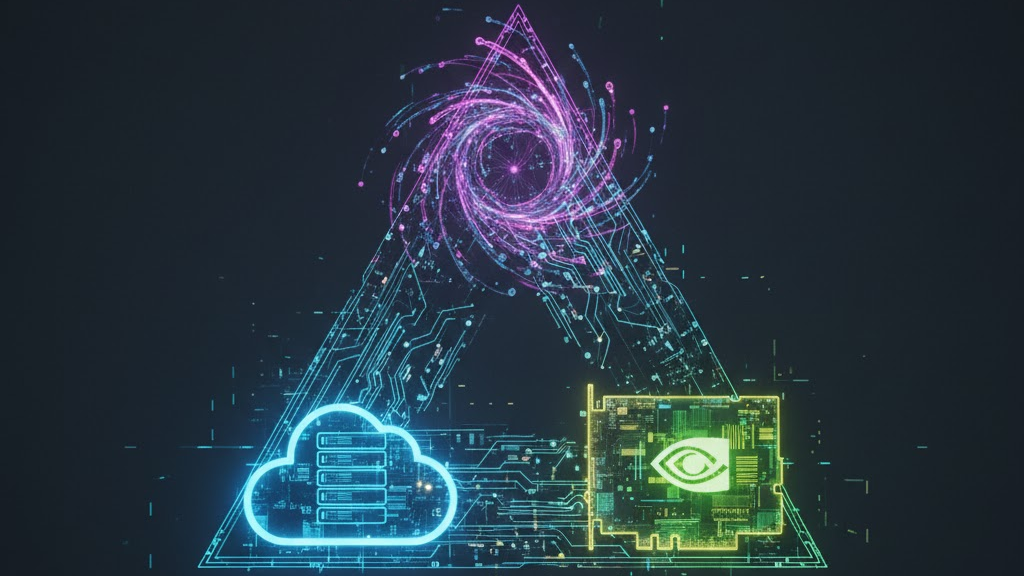
This “triangular alliance” represents a new kind of AI megadeal, one where cloud, chips, and foundational model research merge into a single ecosystem. Understanding this moment is essential for investors, founders, engineers, policymakers, and anyone watching the world of AI infrastructure.
Let’s break down what this really means.
Why This Deal Is a Turning Point for AI
Artificial intelligence has become compute-hungry at a scale no one predicted a few years ago. Training frontier models like Claude, GPT, or Gemini requires:
- Massive GPU clusters
- High-bandwidth networking
- Low-latency data pipelines
- Specialized hardware stacks
- Exabyte-level storage
- Extreme power and cooling efficiency
Access to this infrastructure is no longer merely helpful, it’s existential.
This deal makes it clear: AI’s future belongs to whoever controls the compute.
Anthropic now secures long-term access to Azure’s hyperscale cloud power. Microsoft strengthens its grip on the next wave of foundational AI models. Nvidia gets deeper into the core research labs that push GPUs to their limits, ensuring continued demand for its hardware.
This is not a partnership.
This is vertical integration of the AI power stack.
Compute as the New Oil: Why AI Is Becoming Concentrated
AI models are no longer cheap science experiments. Training a top-tier model now costs hundreds of millions and soon, billions in GPU time. Compute scarcity has created a new strategic chokepoint.
Companies that control compute can:
- Decide who trains frontier models
- Dictate innovation timelines
- Shape safety, scaling, and governance
- Influence pricing across the entire AI economy
This megadeal confirms a powerful shift:
the winners of the AI race will not be determined by algorithms alone, but by who owns the data centers, the chips, and the cloud rails.
And that’s why this partnership has attracted global attention.
The Circular Financing Debate: Strategic or Risky?
While the deal is celebrated as a technological super-move, analysts are raising an important question:
Is this circular financing?
Here’s why that concern exists:
- Big tech invests billions into AI labs
- Those labs then buy billions worth of cloud compute
- The compute is provided by the same big tech companies
- Value cycles back into the infrastructure owners
This loop raises issues around:
- Market consolidation
- Competition fairness
- Over-investment in the same players
- Pressure on emerging startups
- Risk of an AI bubble driven by corporate balance sheets rather than real demand
MarketWatch and Analytics India Magazine both highlight this dynamic: the AI world is moving closer to a tightly controlled ecosystem dominated by a few mega-platforms.
This may accelerate innovation, but it may also reduce open competition.
Why the Deal Matters for the Future of AI Infrastructure
1. Training frontier models becomes centralized
Only a few companies will be able to train 100B+ parameter models.
The barrier to entry just got higher.
2. Hardware–cloud–AI research is merging
Historically separate industries are now becoming one unified stack.
This creates faster innovation, but also tighter gatekeeping.
3. Nvidia strengthens its GPU empire
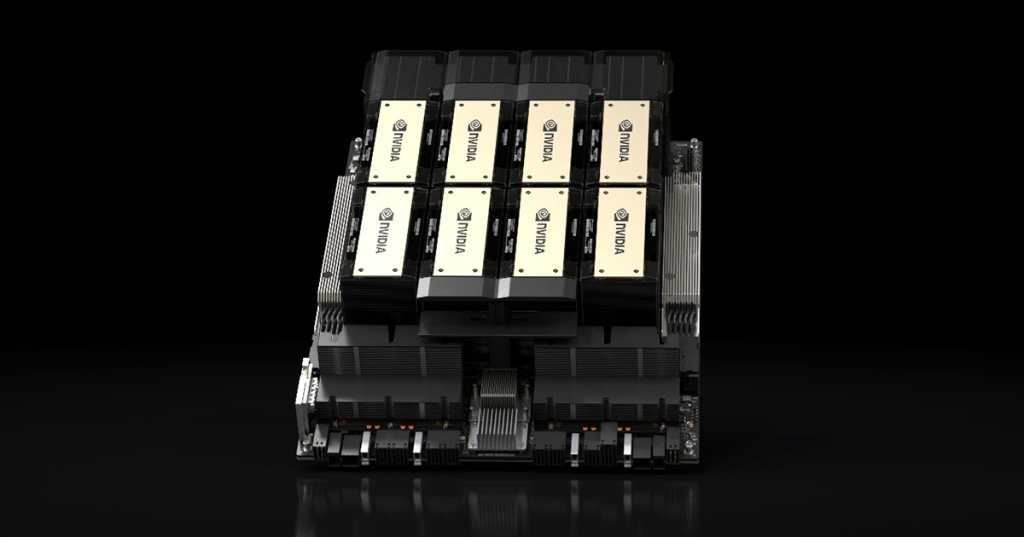
By embedding itself deeper into Anthropic’s roadmap, Nvidia ensures long-term demand for its high-end GPU families (H100, H200, B200, Blackwell, Rubin).
4. Microsoft secures its position against Google & Amazon
Azure becomes the central nervous system of Anthropic’s future models.
This gives Microsoft leverage in:
- AI enterprise solutions
- Agentic systems
- Safety-aligned frontier research
- Compute pricing and market control
5. Anthropic scales at hyperspeed
With guaranteed compute and investment, Anthropic can:
- Train larger versions of Claude
- Expand global safety research
- Build new agentic architectures
- Compete directly with OpenAI and Google DeepMind
This is a power move that sets Anthropic up for long-term dominance in the frontier model race.
What It Means for Investors, Startups, and the Global AI Ecosystem
For investors
Expect continued consolidation.
Infrastructure players, not pure software layers, will capture the largest long-term value.
For startups
The message is clear:
Unless you own compute or specialize deeply, competing at the frontier level is nearly impossible.
Instead, startups should focus on:
- Vertical AI applications
- Agent workflows
- AI-driven automation
- Domain-specific intelligence
- Infrastructure optimization layers
For global AI policy
Large-scale compute agreements raise major questions:
- Should there be caps on frontier model scaling?
- Should compute access become regulated like utilities?
- How will smaller nations compete?
- Is AI power becoming too centralized?
Expect governance bodies to intensify discussions around compute transparency and sovereign AI.
The Bottom Line: This Deal Resets the AI Game Board
The Anthropic–Microsoft–Nvidia megadeal is more than a business transaction.
It is a blueprint for the next era of AI, one defined by compute, cloud power, hardware control, and multi-layered alliances.
If 2023–2024 were the years of “AI hype,”
then 2025 marks the beginning of AI power consolidation.
The future of artificial intelligence will be built not only on models, but on the massive invisible infrastructure that powers them. And with this deal, the trio has made it clear:
The real race has just begun.


 Cybervibe
Leave a comment