
In a move that signals the next phase of global AI expansion, Google LLC has opened its largest AI infrastructure hardware engineering centre outside the United States, in Taiwan. This development is more than just another tech milestone. It’s a strategic decision shaped by geopolitics, supply-chain realities, and the rising importance of hardware in the AI race.
As innovation accelerates, Google’s Asia-based engineering investment highlights one truth:
The future of AI isn’t built on algorithms alone, it’s built on chips, infrastructure, and global collaboration.

Why Taiwan? The Global Heart of Chip Manufacturing
Taiwan has long been recognized as the silicon powerhouse of the world, with companies like TSMC producing the most advanced chips used in smartphones, servers, and now, powerful AI systems.
Here’s why Google chose Taiwan for this major expansion:
1. Proximity to world-class chip fabrication
TSMC manufactures the most advanced processors, including 3nm and upcoming 2nm nodes, chips critical for AI accelerators and data-center hardware.
2. Strategic geopolitical importance
With supply-chain stability becoming a global concern, building infrastructure in Taiwan reflects Google’s intent to secure reliable, long-term access to crucial hardware development.
3. Growing AI ecosystem in Asia
Taiwan offers a deep talent pool in hardware engineering, semiconductor research, and advanced manufacturing, all essential ingredients for AI infrastructure scaling.
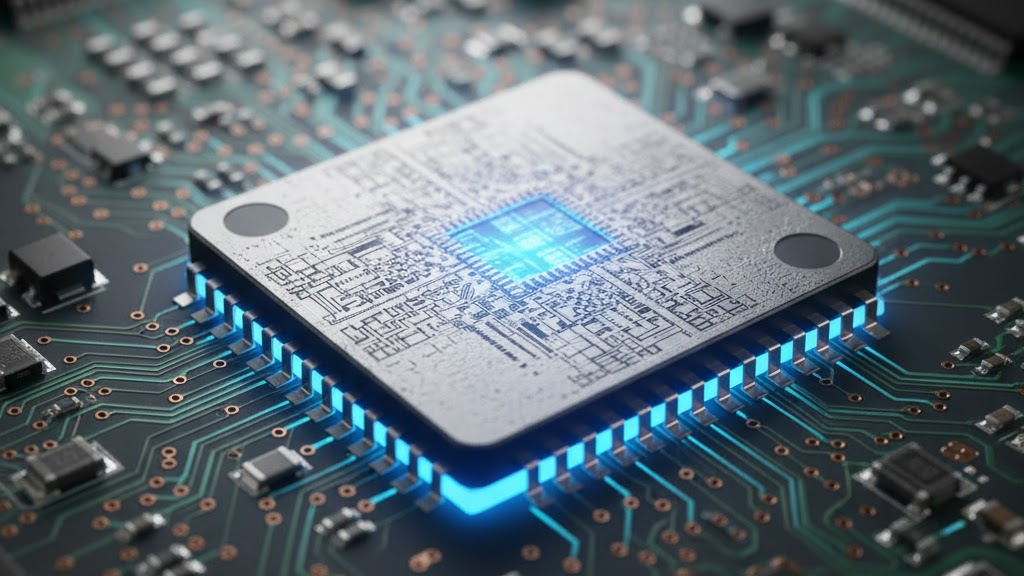
Beyond Software: AI’s Hardware Revolution Has Started
While AI software models often get the spotlight, the real bottleneck, and battleground, is hardware.
From GPUs and TPUs to data-center optimization and semiconductor breakthroughs, the entire industry is shifting toward hardware-first innovation. Google’s Taiwan expansion reinforces this shift.
Expect to see:
- More custom AI chips developed outside the US
- Faster hardware iterations to support advanced models
- Global diversification of AI production and R&D
- Closer collaboration between semiconductor giants and AI leaders
As software becomes exponentially more powerful, the demand for high-efficiency chips is rising even faster.
What This Means for India and the Wider Asia Region
For India’s growing AI and semiconductor ecosystem, this development has several implications:
1. Hardware will define the next competitive edge
Companies investing in chip design, data-center infrastructure, and hardware optimization will gain a strategic advantage.
2. A shift from pure software talent to hardware-driven skillsets
India’s engineering community can expect rising demand in semiconductor research, embedded systems, and chip design.
3. Regional collaboration opportunities
With Google expanding in Taiwan, cross-border partnerships across Asia may accelerate, opening new pathways for innovation and tech alliances.
4. A signal for global tech decentralization
The world’s largest AI firms are no longer concentrating their R&D in the US alone, the future is multi-hub, multi-continent.
Conclusion :
Google’s expansion in Taiwan is more than an infrastructure move, it’s a strategic bet on the future of AI hardware. As global demand for computing power intensifies, Asia is emerging as the next centre of gravity for advanced manufacturing and AI engineering.
For the global tech community, and especially India, it’s a reminder that the real race is shifting from algorithms to the machines that run them.


 Cybervibe
Leave a comment