
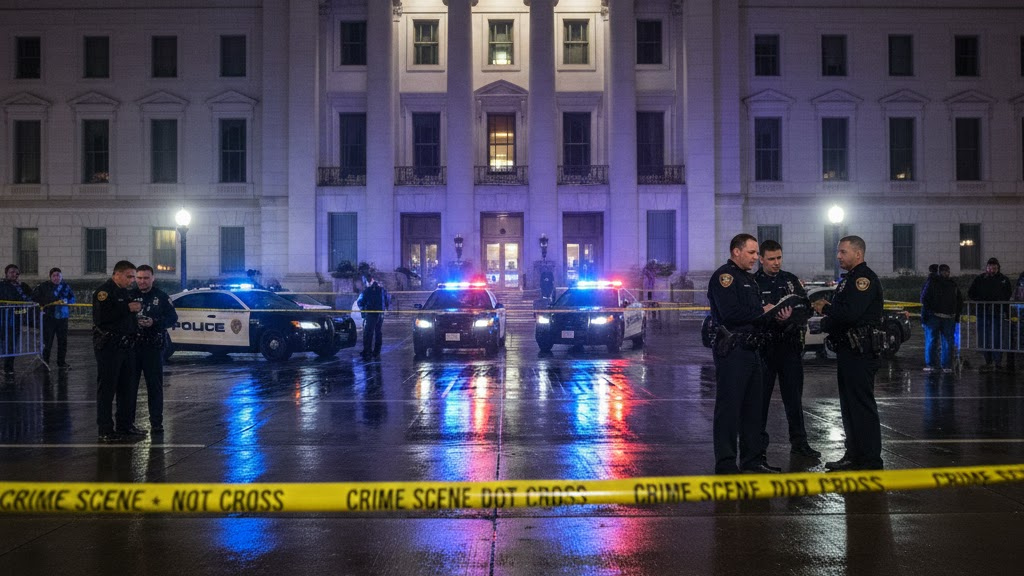
A Disturbing Trend: Long-Range Rifle Attacks Targeting Institutions
A fatal sniper-style shooting at a U.S. Immigration and Customs Enforcement (ICE) field office in Dallas has sent shockwaves across law enforcement and federal institutions. Authorities say the attack was carried out from a long distance using a precision rifle, a method that experts warn is becoming more common and more dangerous.
According to early briefings, the shooter took aim from a vantage point that allowed them to fire into the building without engaging security directly. This shift toward long-range attacks has deepened concerns about how vulnerable federal sites are to threats that bypass traditional perimeter security.
The Dallas incident is now part of what experts describe as a “frightening trend”, a rise in sniper-style, standoff-distance attacks aimed not at individuals but at institutions.
Why It Matters: The Growing Risks Behind Distance-Based Violence
Sniper-type attacks aren’t new, but their increasing frequency and sophistication are alarming law-enforcement officials for several reasons:
1. Harder to Detect & Prevent
Typical security systems focus on close-range threats, suspicious entry attempts, perimeter breaches, unauthorized access. Long-range rifle attacks exploit blind spots.
2. Minimal Exposure for Attackers
The shooter can be hundreds of yards away, hidden, and highly mobile. This reduces the chance of immediate identification or apprehension.
3. Potential to Target Government Staff & Critical Operations
Federal buildings, law-enforcement agencies, and administrative sites could all be at risk. Even a single well-placed shot can cause casualties or operational shutdowns.
4. Psychological & Public Trust Impact
When institutions are targeted, it sends a message meant to intimidate, affecting not just officials but the public’s sense of safety and stability.
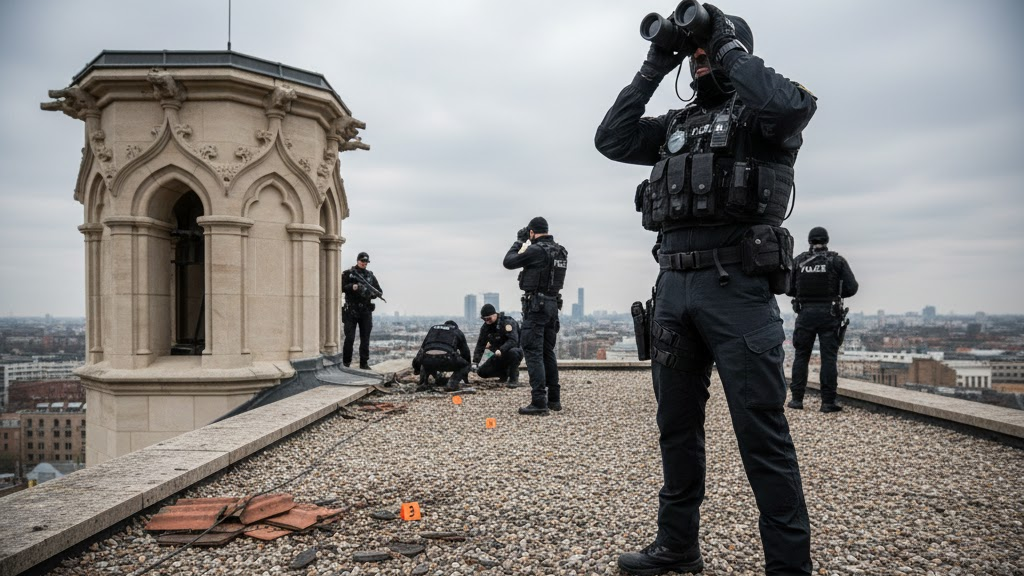
How Federal Agencies May Respond
In the wake of the Dallas shooting, several agencies are expected to reassess how they safeguard staff and buildings. Possible changes include:
Perimeter Expansion
Increasing the protective radius around entry points, windows, and sensitive areas.
Ballistic-Resistant Architecture
More facilities may install bullet-resistant glass or reinforced exterior structures.
Elevated Surveillance
Adding cameras and sensors capable of detecting threats from greater distances.
Training for Active Sniper Scenarios
Many agencies already train for close-quarters threats, now they may expand protocols to include long-range attack response.
A Broader Security Challenge
This incident underscores a deeper security challenge: federal buildings, police agencies, and even civic institutions are now facing threats designed to evade traditional safeguards.
Experts warn that:
- Violent attackers are becoming more strategic.
- Rifle technologies (optics, range, accuracy) are more accessible.
- Critical infrastructure is often located in open, visible areas, making it harder to defend consistently.
The Dallas attack highlights the need for modernized security planning that accounts for long-range threats, not just immediate, on-site risks.
Conclusion: A Wake-Up Call for Institutional Security
The sniper-style attack in Dallas is more than a tragic incident, it’s a warning sign. As attacks become more sophisticated and unpredictable, agencies must rethink what “secure” really means in today’s environment.
This is not just a law-enforcement issue; it’s about safeguarding the people and institutions that keep the country functioning. The stakes have never been higher.

 Cybervibe
Leave a comment