
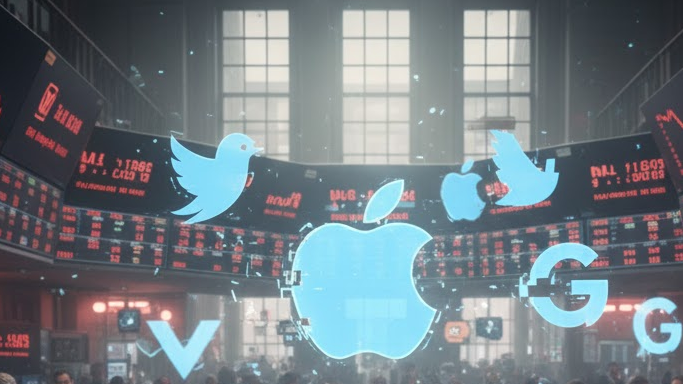
As the holiday season approaches, U.S. financial markets are entering a tense and unpredictable phase. What is normally a period of optimism and year-end momentum is, in 2025, turning into a moment of caution and careful positioning. Investors are increasingly worried about stretched valuations in the tech and AI sector, uncertainty surrounding Federal Reserve rate cuts, and broader signs of instability.
Reports from Reuters, The Economic Times, and The Financial Times all point to the same conclusion: market volatility is rising, and the world’s most influential tech stocks are at the center of it.
Even though many major tech leaders posted strong quarterly earnings, it hasn’t been enough to calm the storm. Instead of rallying outward, markets have responded with sharp pullbacks, sudden sell-offs, and spikes in volatility, suggesting that investors believe the tech rally might have gone too far, too fast.
This moment matter, not just for Wall Street, but for global investors, retirement portfolios, and the economic outlook for early 2026.
Why Markets Are Turning Nervous Now
1. AI & Tech Valuations Are Looking Overheated
The AI sector has been the biggest driver of growth in 2024–2025.
Companies building:
- AI chips
- cloud infrastructure
- advanced models
- automation tools
- robotics
have experienced explosive stock gains.
But as valuations skyrocket, analysts warn that many companies are now trading far beyond their fundamentals. This is fueling fear of a correction, or at least a cooling-off period.
Even companies with excellent earnings, like leading chipmakers and cloud giants, have seen their stock prices drop, because the market was priced for perfection, not simply strength.
The Financial Times notes that investors are beginning to question whether AI demand can keep scaling at current speeds, especially as capital expenditure (CAPEX) in tech is at historic highs.
2. Rate-Cut Uncertainty Is Creating Instability
For months, investors expected the Federal Reserve to begin cutting interest rates before the end of 2025.
But new economic data, strong employment, steady spending, and stubborn inflation, has raised doubts.
If the Fed delays rate cuts:
- borrowing stays expensive
- corporate debt costs remain high
- tech companies reliant on funding face pressure
- overall valuations come under strain
Tech is especially sensitive to interest rates because future profits (the basis of valuation models) become less valuable when rates stay high.
As a result, uncertainty around Federal Reserve decisions is becoming a significant driver of volatility.
3. Holiday Season Usually Brings Optimism, This Time, It Brings Fear
The final 6–8 weeks of the year usually bring:
- seasonal consumer spending
- stronger retail earnings
- bullish investor sentiment
- the “Santa Claus Rally”
But in 2025, investors are more worried about:
- geopolitical tensions
- global demand fluctuations
- inflation trends
- earnings sustainability
- tech CAPEX slowdowns
Instead of preparing for a rally, traders are preparing for turbulence.
Tech Stocks Face Broad Pullbacks Despite Strong Earnings
One of the biggest questions today is:
Why are tech stocks falling even when they report strong earnings?
Several reasons explain this paradox:
1. Expectations Were Too High
When stocks are priced for perfection, even excellent results can lead to sell-offs.
Markets expected:
- record earnings
- record revenue
- record forward guidance
Anything less triggers fear of a plateau.
2. AI Fatigue Is Setting In
After nearly two years of relentless AI hype, investors are becoming more selective.
They now demand:
- real profits
- real adoption metrics
- real cost efficiency
- sustainable scaling
Simply being an “AI company” is no longer enough.
3. Profit Margins Are Getting Squeezed
AI infrastructure is enormously expensive.
Costs that are rising include:
- energy
- chips
- data center operations
- cloud capacity
- large model training spend
Even with strong revenue, margins are under pressure—and analysts notice.
4. Volatility Is Amplified by Algorithmic Trading
When volatility spikes, automated systems and hedge fund strategies accelerate sell-offs, turning mild dips into deeper corrections.
Why This Matters for the Economy and Investors
1. Tech Drives the U.S. Market
Tech and AI industries make up:
- more than 30% of the S&P 500’s total market weight
- a huge portion of investor sentiment
- a major driver of global capital flows
When tech stumbles, everything stumbles:
- retirement portfolios shrink
- index funds decline
- global markets react
- business spending slows
The ripple effect is real.
2. Volatility Could Shape Early 2026
The tone of the first quarter of 2026 will be set by:
- how tech stabilizes
- whether rate cuts arrive
- whether AI demand continues growing
- global economic signals
If volatility worsens, it could push investors into defensive assets like bonds, gold, utilities, or dividend stocks.
3. Consumer Tech and AI Startups Face Funding Pressures
High interest rates + falling valuations =
tighter funding conditions for startups.
VCs may:
- slow new investments
- reduce risk appetite
- demand profitability
- push mergers or acquisitions
This shapes the next chapter of the innovation cycle.
The Bigger Picture: Is This a Correction or a Repricing?
This moment is not a crash.
It’s a recalibration.
Markets are realizing that:
- AI growth is huge but expensive
- valuations rose too quickly
- interest rates will stay higher for longer
- CAPEX-heavy tech companies need time to mature
Instead of a bubble bursting, this looks more like:
- a healthy adjustment
- a cooling period
- a return to fundamentals
But the volatility in the meantime will continue to test investor confidence.
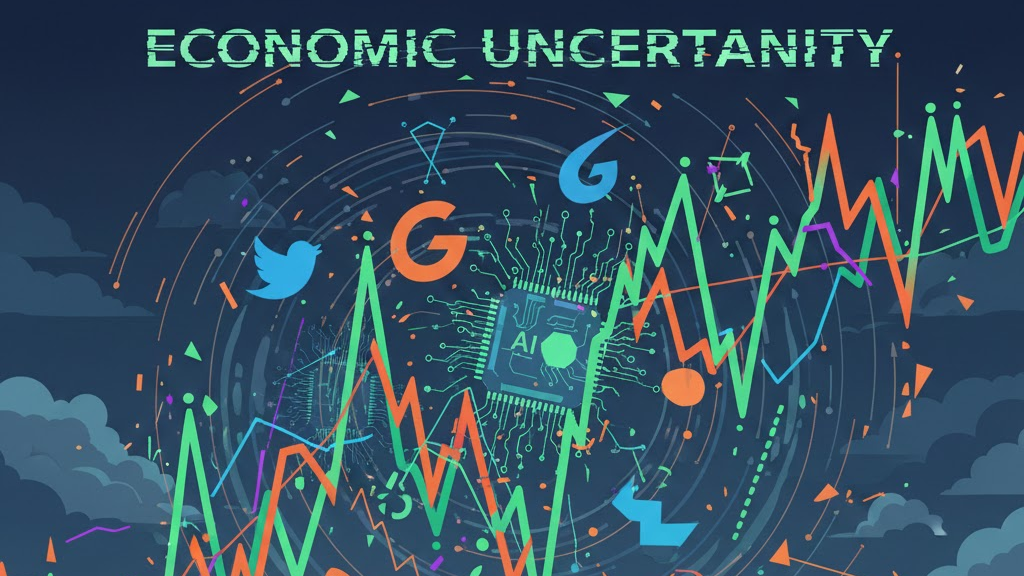
Conclusion: Volatility Is the New Normal, For Now
As markets brace for the holiday season, it’s clear that investors are becoming more cautious. Between highly stretched tech valuations, delayed rate-cut expectations, and questions about the long-term sustainability of AI spending, the U.S. market faces a period of instability.
This doesn’t signal doom, far from it.
Tech remains strong, innovative, and profitable.
But the message is clear:
2025’s explosive AI rally is entering its mature phase, and markets are adjusting accordingly.
Navigating this environment will require balance, patience, and a close eye on both economic signals and Fed policy moves.


 Cybervibe
Leave a comment