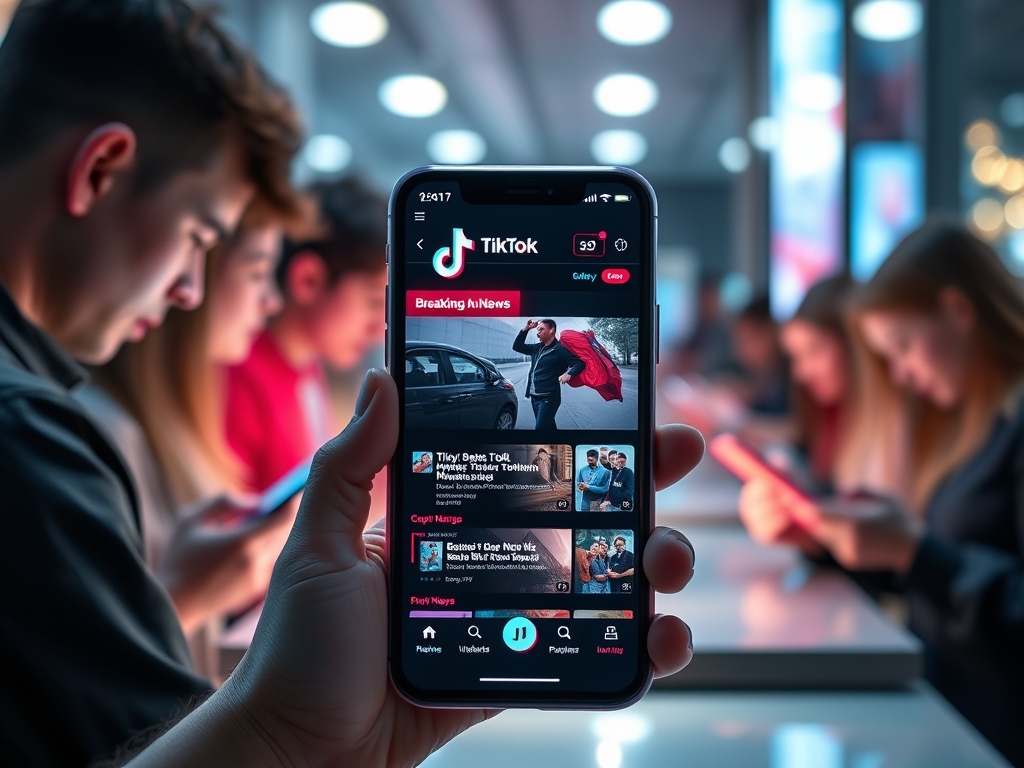

In just a few years, the U.S. news landscape has shifted dramatically, not because of a new TV channel or news app, but because of a short-form video platform that wasn’t even designed for journalism: TikTok. According to a recent Pew Research Center report, 1 in 5 U.S. adults now regularly get their news from TikTok, a huge jump from just 3% in 2020.
Among younger Americans, the shift is even more dramatic. Around 43% of adults under 30 rely on TikTok as a primary news source, nearly half of an entire generation turning to 30-second videos instead of newspapers, TV or even traditional social media platforms. And on TikTok itself, the trend is even stronger: 55% of TikTok users in the U.S. now say they regularly consume news on the platform, a number that rivals long-established platforms like Facebook and X (previously Twitter).
This isn’t just a change in where news appears. It’s a transformation in how information spreads, who controls narratives, and what the future of public conversation might look like.
Why TikTok Became a News Powerhouse
1. News That Fits Attention Spans
In a world where attention is shrinking, TikTok delivers news in bite-sized formats:
– 15-second explainers
– 60-second commentary
– quick political updates
– rapid fact breakdowns
This format is naturally appealing to younger users who grew up multitasking on screens.
2. Algorithm Over Headlines
Unlike YouTube or Facebook, TikTok’s “For You Page” doesn’t prioritize who you follow, it prioritizes what you interact with.
This creates a deeply personalized, sticky flow of information. News doesn’t need to be searched or clicked. It finds the user.
3. Trust in Creators Over Institutions
The last decade has seen declining trust in traditional news outlets. TikTok flips the model:
People trust creators, not corporations.
They prefer:
- A relatable voice
- A face speaking directly into the front camera
- A take that feels authentic, not rehearsed
Whether this is ideal or dangerous is another debate, but the trust shift is undeniable.

Why This Matters: The Upside and The Risks
The TikTok-news boom has both promising opportunities and serious challenges.
The Benefits
1. Increased Youth Engagement
Young Americans who rarely watch cable news are now actively engaging in politics, global issues, and social movements, because TikTok puts it in front of them creatively.
2. Diversity of Voices
TikTok democratizes news.
A teenager, activist, analyst, or even an eyewitness can break a news story.
This makes the information ecosystem richer and more inclusive.
3. Real-Time, On-Ground Reporting
During protests, storms, political events, or emergencies, TikTok often shows raw footage before major outlets report it.
The Risks
1. Misinformation Travels Faster
Short videos lack context. They leave room for exaggeration, selective editing, or misinterpretation.
False news can go viral before fact-checkers even notice.
2. Filter Bubbles Get Stronger
TikTok’s algorithm is highly reactive.
If you watch one political video, you’ll get 100 more from the same angle.
This creates a personalized information bubble where opposing perspectives rarely appear.
3. Lack of Editorial Oversight
Traditional journalism has rules:
verifying sources
editing
accountability
TikTok creators do not.
Anyone can post a “breaking story” without proof.
How This Shift Affects the Future of News
TikTok’s rise as a news platform signals a permanent change.
1. News Will Become More Visual and Short
Even traditional outlets are shifting to short-form explainer content.
Newsrooms now hire TikTok producers just to stay relevant.
2. Journalists Must Become Influencers
Authenticity, relatability, and on-camera presence matter as much as writing skills.
Reporters must build personal brands to survive.
3. Audiences Will Shape the Narrative
People don’t just consume news now, they remix it, react to it, comment on it.
News becomes a conversation, not a broadcast.
What This Means for You, Even Outside the U.S.
Even if you live in India, the Middle East, or elsewhere, TikTok’s impact still reaches you.
1. U.S. news spreads globally through TikTok first
Political debates, elections, celebrity stories, tech announcements, these often trend on TikTok before they appear on your local news feed.
2. Global youth share a unified news culture
Indian creators discuss U.S. politics.
American creators react to Indian events.
News ecosystems are merging.
3. Brands, businesses, and creators must adapt
If you’re a blogger, marketer, journalist, or creator, understanding TikTok news trends is essential for staying relevant in 2025 and beyond.
Conclusion: TikTok Is Reshaping the News And the Future Is Already Here
The movement of millions of young Americans toward TikTok as a news source isn’t a small trend, it’s a fundamental transformation. It changes who we trust, how stories spread, how journalists work, and how audiences think.
This shift brings both empowerment and risks.
On one hand:
more voices
faster reporting
higher youth engagement
On the other:
misinformation
lack of nuance
algorithm-driven bias
The key is not rejecting this new landscape, but learning how to navigate it, with awareness, digital literacy, and a balanced perspective.
Because whether we like it or not, the future of news is not on TV.
It’s already scrolling on the “For You Page.”



 Cybervibe
Leave a comment