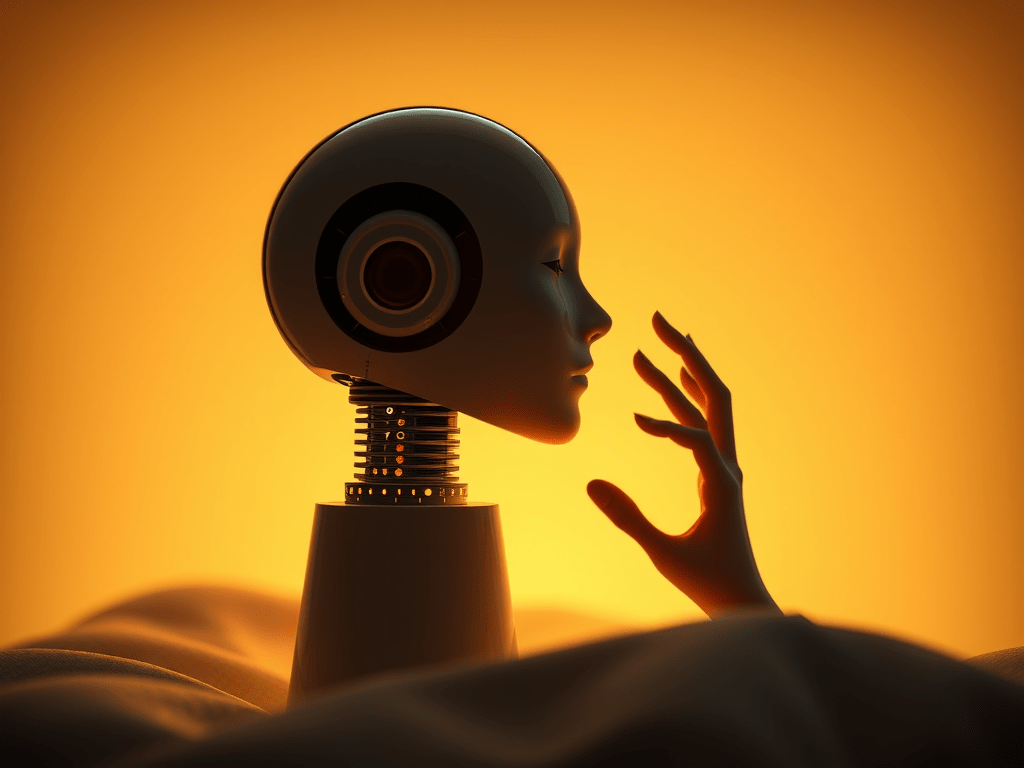

A major shift may be brewing in the world of consumer tech.
According to Trak.in, OpenAI is reportedly collaborating with legendary Apple designer Jony Ive to create a brand-new AI-powered consumer device, expected within the next two years, possibly even sooner.
If true, this could radically reshape how we interact with AI.
Not through apps.
Not through cloud dashboards.
But through beautiful, physical hardware made for everyday companionship.
The Big Idea: AI Moving From the Cloud Into Your Hand
Until now, AI has mostly lived inside:
- cloud infrastructure
- chat interfaces
- software tools
- browser windows
- productivity apps
But this rumored project signals a new era:
AI as a personal device, not just a digital service.
Jony Ive, the creative mind behind the iPhone, iPad, MacBook Air, and Apple Watch, has a long-standing philosophy:
hardware should feel alive, intuitive, and emotionally resonant.
Paired with OpenAI’s rapid advances in generative models and agentic intelligence, the result could be a totally new category of consumer tech.
What This AI Device Could Be
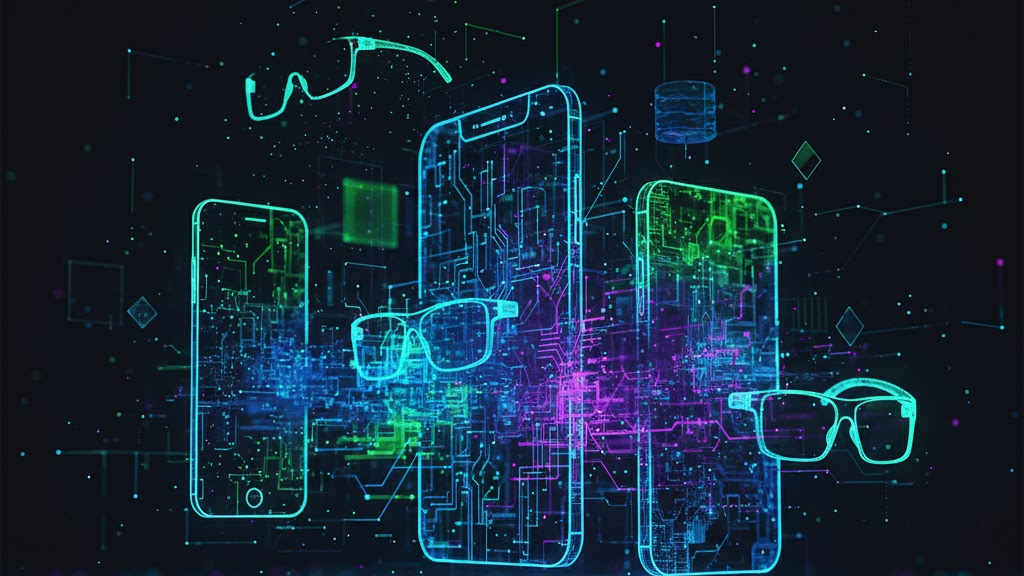
While details remain secretive, reports and industry clues point toward a device that might:
Act as an always-available personal AI companion
A device designed for conversation, guidance, memory, and emotional understanding.
Run efficient on-device AI
Edge models could allow offline reasoning, personalization, and instant responses.
Bridge the digital and physical world
Think ambient intelligence: sensors, voice, touch, and context-awareness.
Go beyond smartphones
Jony Ive has been vocal about moving past the “glass slab” era of screens.
Integrate deeply with daily life
Something you carry, wear, or place in your living space, a dedicated personal AI presence.
If this succeeds, the next wave of technology might not be a faster phone…
but an AI-native device designed from the ground up.
Why This Collaboration Matters
1. A design legend + a frontier AI lab
Jony Ive’s design philosophy meets OpenAI’s model intelligence, a rare combination of creativity and computing.
2. The timing is perfect
2025–2027 is expected to be the era of:
- on-device LLMs
- personal AI agents
- context-aware assistants
- ambient computing
- non-screen-based interactions
Ive’s design studio, LoveFrom, specializes in elegant industrial design, making this partnership even more meaningful.
3. Consumer hardware is the missing puzzle piece for AI
Software is powerful, but hardware defines how people actually experience technology.
Just as the iPhone unlocked the mobile internet,
an AI-native device could unlock the personal intelligence era.
What This Means for the Future of AI
If OpenAI truly enters the hardware market, expect major ripple effects:
A new category: “AI companions”
Devices built solely for intelligent interaction.
Stronger competition for Apple, Google, Amazon
Each company has voice assistants, but not fully dedicated AI devices.
Rise of offline, private, personalized AI
Running models on-device changes the privacy and speed landscape.
Decline of app-centered interfaces
Future interactions may be conversational, ambient, and proactive.
The return of iconic industrial design
A Jony Ive product always changes aesthetics across the whole industry.
Conclusion
While still unconfirmed, the idea of an OpenAI × Jony Ive hardware device is more than just a rumor, it represents a possible turning point in AI evolution.
The next revolution may not come from bigger models or more cloud power…
but from a device built to bring AI into real physical life.
A companion.
A tool.
A presence.
A new kind of personal technology.
If this collaboration becomes real, we may be witnessing the birth of the next iconic product category, one that blends intelligence, emotion, design, and everyday utility.


 Cybervibe
Leave a comment