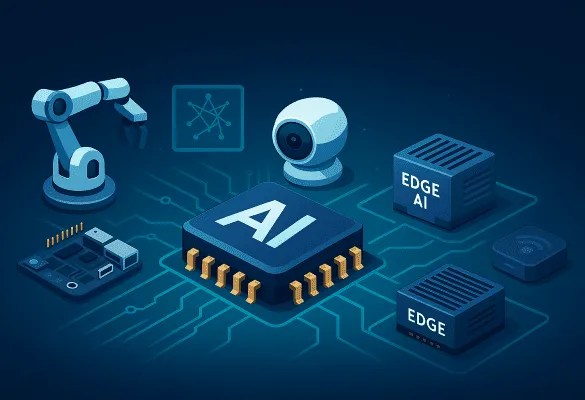
As AI models grow larger, smarter, and more complex, one truth becomes unavoidable: AI is only as powerful as the hardware running it.
Behind every breakthrough in generative AI, multimodal systems, robotics, or autonomous agents sits a massive infrastructure of advanced chips, semiconductor innovation, data centers, and device-level compute.
McKinsey & Company highlights that hardware is now one of the most critical bottlenecks, and opportunity areas, for AI’s next decade. Meanwhile, global news from the Financial Times shows unprecedented investment in semiconductor fabrication, silicon R&D, and robotics equipment designed for “physical AI.”
This is not just a software revolution.
It is a hardware renaissance.
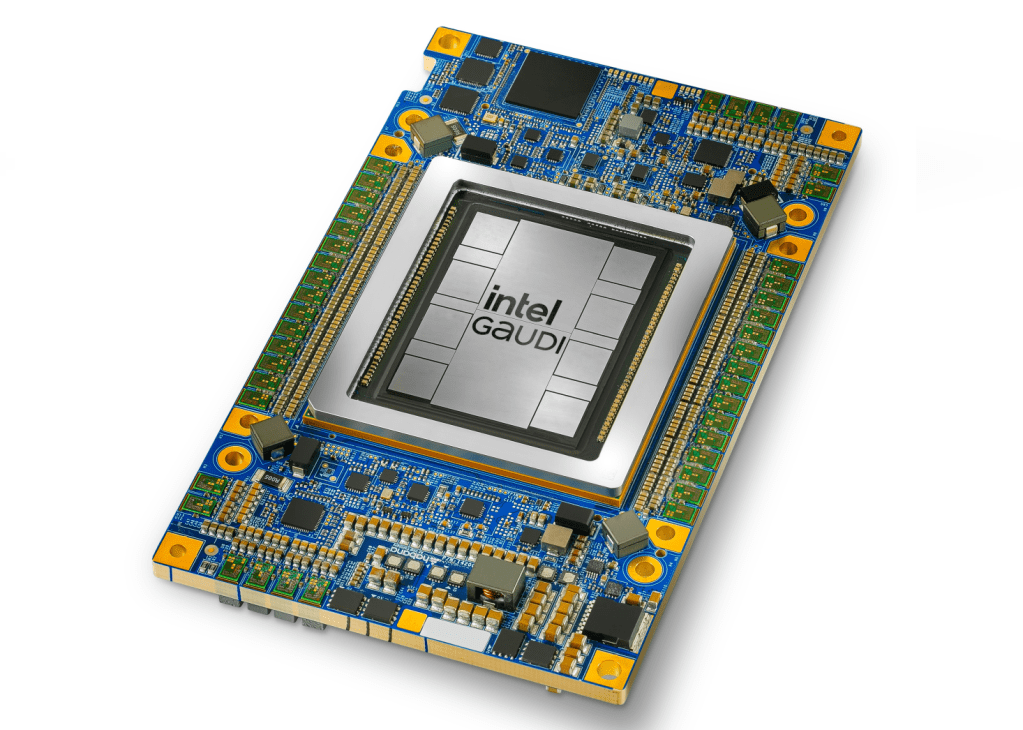
Why Hardware Matters More Than Ever
Over the past decade, software dominated the AI conversation. But now:
- Models are expanding exponentially
- Training demands extreme compute
- Edge devices require efficient local inference
- Robots and physical AI systems need real-time processing
- Data centers face power, scaling, and cooling limits
AI is pushing hardware engineering to the edge of physics itself.
The Key Drivers Behind Hardware Growth
1. Explosive Model Sizes & Compute Demand
Modern AI training runs on:
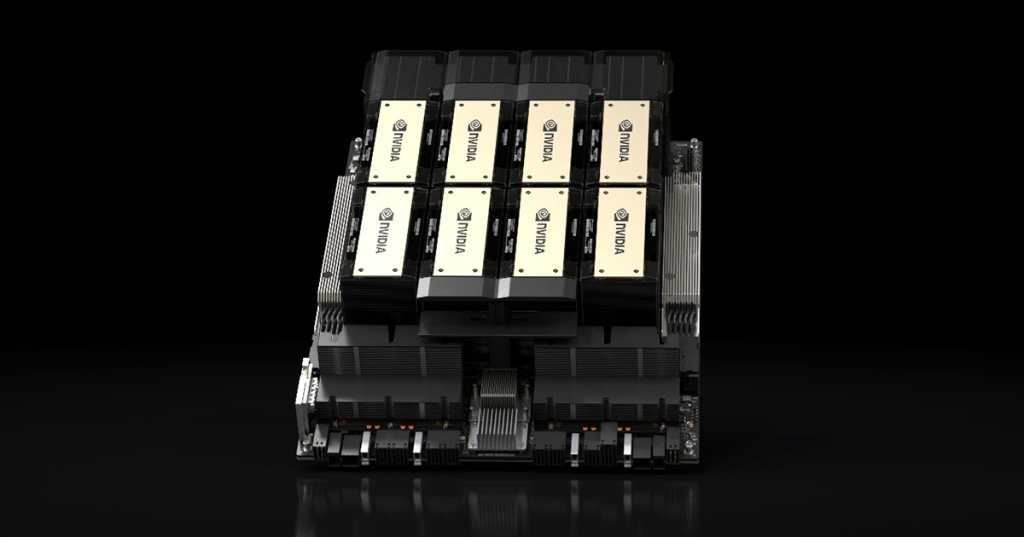
- clusters of GPUs
- AI supercomputers
- custom accelerators
- high-bandwidth memory
- optical/photonic components
The cost and complexity are rising fast.
2. Edge & On-Device AI
Phones, wearables, sensors, and robots must run inference locally:
- lower latency
- higher privacy
- reduced cloud dependence
- lower energy consumption
This drives major innovation in low-power AI chips.
3. “Physical AI” Needs Real-Time Processing
Robotics, industrial automation, drones, and autonomous vehicles require:
- fast onboard compute
- sensor fusion
- low-latency decision-making
- durability in harsh conditions
Hardware is the backbone of Physical AI.
4. Global Supply Chain Shifts
Chip manufacturing is becoming one of the world’s most geopolitically strategic industries:
- multi-billion-dollar semiconductor fabs
- government subsidies (US, EU, India, Japan)
- silicon material innovation
- new fabrication techniques
Hardware is now national strategy.
The Semiconductor Race Is Accelerating
According to financial and industry reporting, investment in semiconductor infrastructure is reaching historic levels:
Chip fabrication plants (fabs)
Companies like TSMC, Intel, Samsung, and new entrants are building next-generation plants across Asia, Europe, and North America.
Advanced silicon manufacturing
Research in:
- 2nm processes
- chiplet architectures
- 3D stacking
- graphene and alternative materials
This will redefine AI compute efficiency.
Supply chain diversification
Countries are racing to reduce reliance on single markets for chip production.
Robotics & automation for chip-making
“Physical AI” is being used to make the chips that power AI, a full circular loop.

The New AI Compute Stack: What It Looks Like
AI compute today spans multiple layers:
1. Data Center Compute
- GPUs
- AI supercomputers
- AI accelerators (TPUs, NPUs)
- Photonic processors
2. Edge Compute
- micro-AI chips
- mobile NPUs
- embedded accelerators
- IoT processing units
3. Networking & Interconnects
- high-speed optical links
- chip-to-chip accelerators
- next-gen PCIe
4. Memory & Storage
- HBM (High-Bandwidth Memory)
- 3D NAND
- storage-class memory
Each layer must evolve to support the next generation of AI.
Implication: This Is the Biggest Opportunity for Tech Infrastructure in a Decade
For anyone in:
- semiconductors
- hardware engineering
- electronics supply chain
- robotics
- cloud infrastructure
- telecom and edge network design
- data center operations
- manufacturing technology
This is a once-in-a-generation shift.
There is incredible demand for:
- chip designers
- embedded AI engineers
- robotics integrators
- data center architects
- cooling and power specialists
- hardware-AI hybrid specialists
- supply chain and sourcing experts
This space will define AI’s future, possibly more than software.
Conclusion: AI’s Future Will Be Built in Silicon
The story of AI is not just algorithms.
It is the story of semiconductors, sensors, compute, hardware, power, and physical engineering that makes intelligence possible.
Every leap in AI capability requires a leap in hardware.
Every breakthrough model demands a breakthrough chip.
Every new autonomous system depends on real-time compute.
Software may be the mind of AI,
but hardware is the heart.


 Cybervibe
Leave a comment