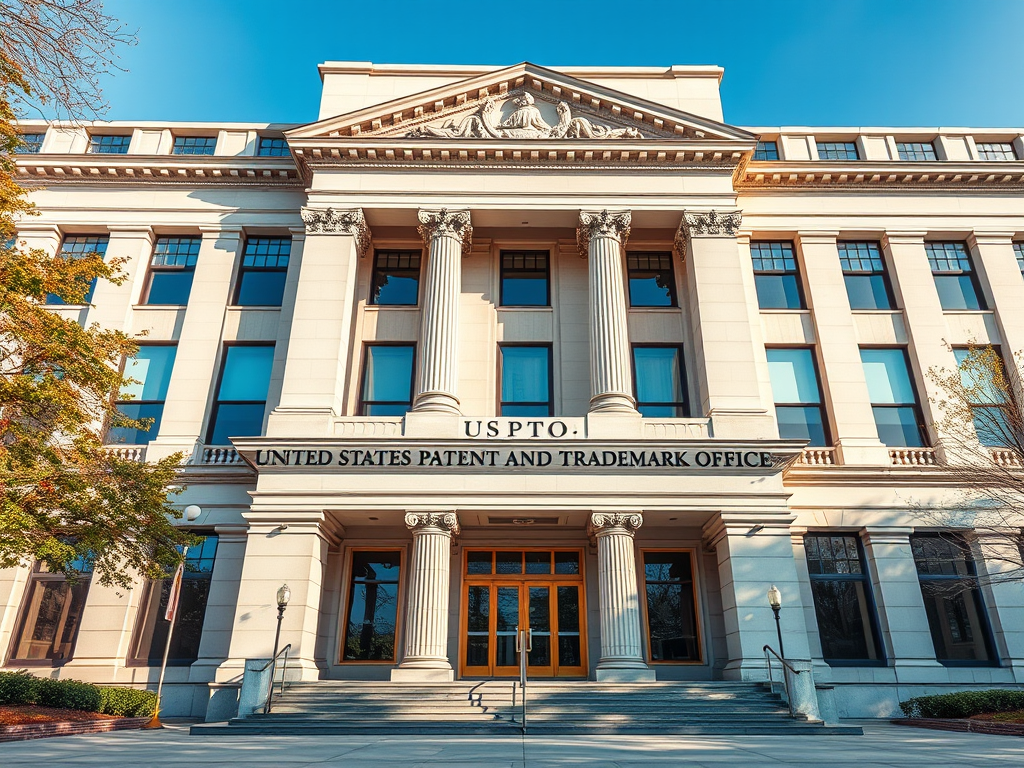
The United States Patent and Trademark Office (USPTO) has issued a major clarification for the age of AI-assisted innovation: AI systems cannot be credited as inventors on U.S. patents.
According to Reuters, the agency reaffirmed that AI, including generative AI models, must be treated as a tool that helps humans invent, not as a creator with independent legal rights.
This ruling draws a firm line in an increasingly complex debate about intellectual property in the AI era.
Why the USPTO’s Decision Matters
1. AI Is a Tool, Not an Inventor
The USPTO stated that AI should be viewed the same way as:
- laboratory instruments
- design software
- manufacturing tools
- simulation systems
AI can assist in creation, but a human must supply the “conception” required for inventorship.
This aligns with existing U.S. law, which ties inventive rights to human mental processes and legal responsibility.
2. What It Means for Future Patents
As AI becomes central to product development, pharmaceuticals, engineering, and design, this ruling sets clear boundaries:
- Humans must be named as inventors
- AI-generated outputs must be attributed to human direction
- Patent applicants must show how a human contributed to the inventive concept
This prevents legal confusion around ownership, disputes, and accountability.

3. Why AI Isn’t Eligible for Inventorship
The USPTO relies on the principle that inventorship requires:
- intention
- creativity
- responsibility
- legal capacity
AI lacks those qualities, it cannot form intent, hold rights, or be accountable in court.
Even advanced generative AI models still function through algorithms, training data, and probabilistic outputs, not human-like reasoning or legal agency.
4. How This Shapes the Future of AI-Assisted Creation
This decision will influence:
- product design workflows
- pharmaceutical R&D
- automated engineering systems
- creative AI tools
- future laws around synthetic creativity
Companies will need to document the human role in AI-assisted inventions more clearly, something that will become increasingly important as AI tools generate more complex solutions.
Conclusion: Human Creativity Remains Legally Central
The USPTO’s clarification sends a strong message:
AI can help create but only humans can invent.
As AI becomes embedded into every layer of innovation, this ruling preserves human accountability while still allowing companies to benefit from powerful AI tools. The line between human creativity and machine assistance is becoming sharper, and this decision sets the foundation for future debates on AI rights, ownership, and the evolution of intellectual property.

 Cybervibe
Leave a comment