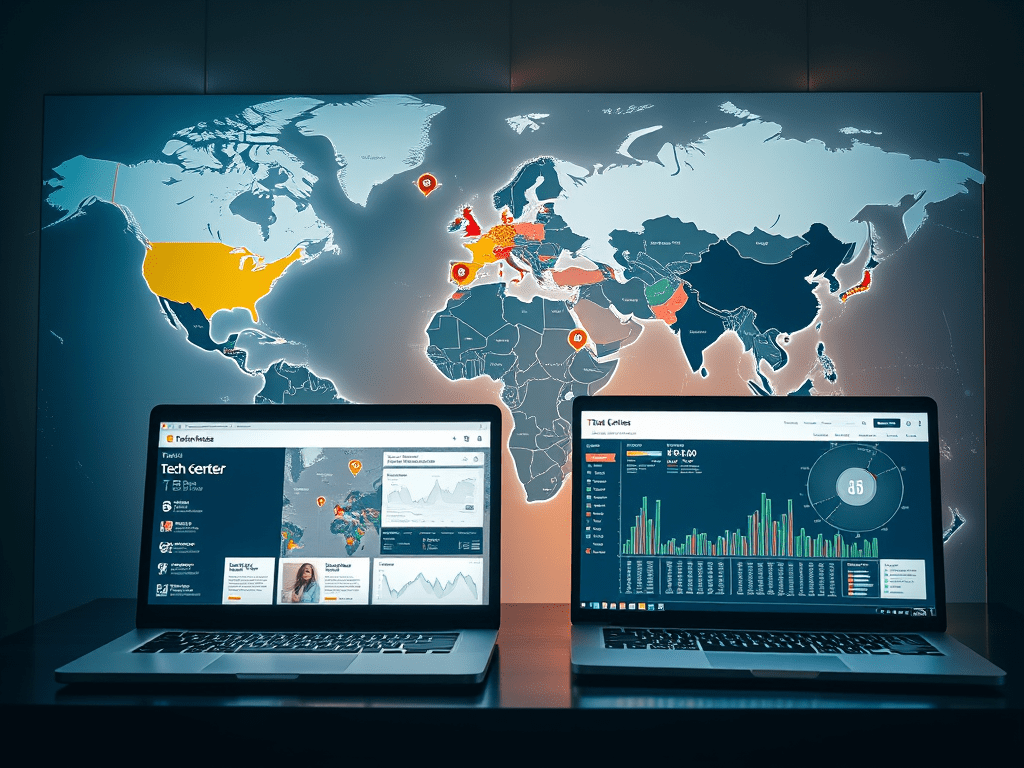
Artificial intelligence isn’t just transforming industries, it is reshaping global politics, strategic alliances, and the geography of computing power. A major new development highlights this shift: top Chinese technology firms, including Alibaba and ByteDance, are reportedly relocating parts of their AI-model training operations to Southeast Asia.
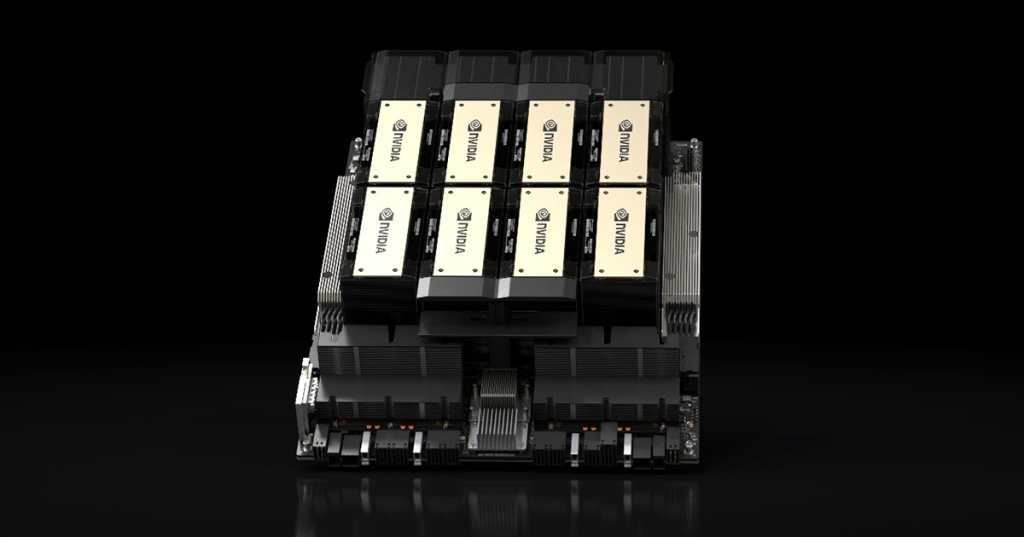
According to Reuters, the move is driven largely by U.S. export restrictions on advanced AI chips such as NVIDIA’s high-end GPUs.
This trend reveals a deeper truth: AI is now a geopolitical asset, and where a country or company trains its models increasingly depends on global politics rather than just on cost or convenience.
Why Chinese Companies Are Moving AI Training Abroad
The United States has tightened restrictions on exporting advanced chips and AI accelerators to China, especially GPUs with high compute capacity. These include:
- NVIDIA A100 / H100
- Accelerators optimized for large-scale AI training
- High-bandwidth GPU clusters
These components are critical for training large models, and without access to them, Chinese companies face massive slowdowns in advancing their AI platforms.
To bypass these limits, companies are shifting operations to regions not covered by U.S. export controls.
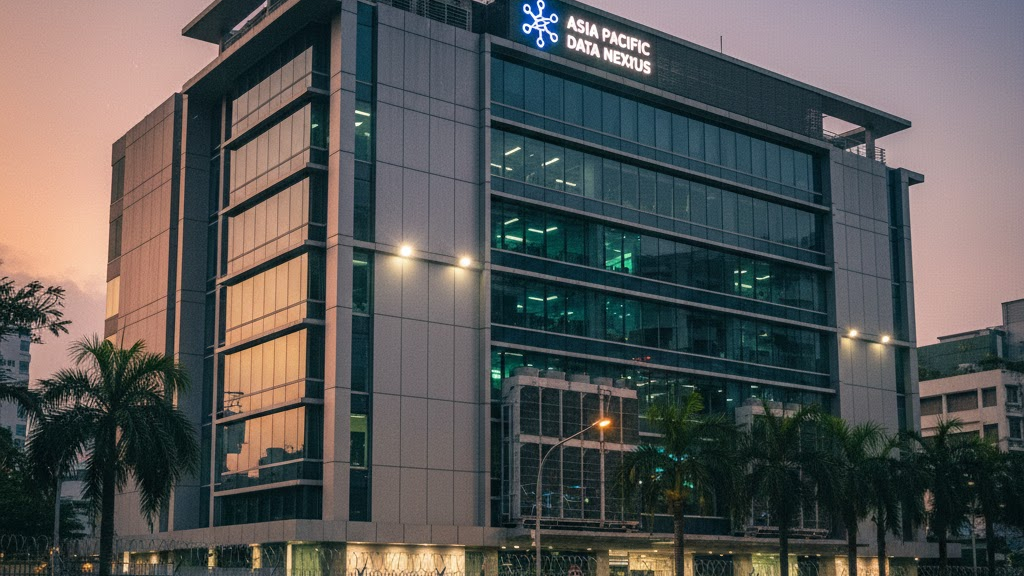
Southeast Asia, especially Singapore, Malaysia, and Thailand, is emerging as a strategic alternative.
Why Southeast Asia? The Strategic Factors
1. Access to unrestricted chips
Data centers in Southeast Asia can legally acquire U.S.-made AI chips not allowed in China.
2. Growing cloud infrastructure
Major cloud providers, including AWS, Google Cloud, Alibaba Cloud, and Microsoft, have expanded large-scale data centers across the region.
3. Strong political relationships
Countries like Singapore have stable diplomatic relations with both the U.S. and China, making them a neutral ground for sensitive tech operations.
4. Lower regulatory risk
Local governments position themselves as open, innovation-driven hubs with fewer geopolitical constraints.
These advantages create a safe and scalable environment for AI model training outside mainland China.
What This Move Signals for Global AI Competition
This shift is more than a logistical workaround, it is part of a much bigger transformation.
1. AI is becoming a strategic geopolitical battleground
Countries are imposing export controls, regulating supply chains, and forming AI alliances to protect national interests.
AI is no longer neutral technology, it is a matter of national power.
2. The training of models is now geographically sensitive
Where AI is trained affects:
- regulatory oversight
- data governance
- access to compute
- model capabilities
- global competitiveness
This is turning AI training into a map of political influence.
3. Southeast Asia is becoming a new AI hotspot
The region is positioning itself as:
- a compute hub
- a neutral ground between superpowers
- a rising digital economy
This brings massive investment into data centers and digital infrastructure.
4. Chinese companies are diversifying AI supply chains
Rather than relying solely on domestic infrastructure, tech giants are creating multi-country training pipelines.
This decentralization reduces their vulnerability to U.S. restrictions.
How Export Controls Are Redefining AI Power
The U.S. aims to slow China’s access to advanced AI training hardware, not to stop AI development completely, but to influence the pace and capability of future AI systems.
This has major implications:
Slower progress for large-scale model training inside China
Increased cost for overseas operations
Growing reliance on non-Chinese data centers
Strategic partnerships shifting to Southeast Asia
The new battlefield isn’t software, it’s compute access, chip supply, and global infrastructure routes.
The Global AI Supply Chain Is Being Redrawn
The world is witnessing the early stages of a historic restructuring of AI supply chains:
- Chips are manufactured in the U.S., Taiwan, and South Korea
- Data centers are expanding across Southeast Asia
- AI models are being trained in multiple regions
- Regulations change depending on political alignment
This fragmentation creates a multi-polar AI ecosystem, where no single country controls the entire pipeline.
What It Means for the Future of AI
1. AI development will follow political boundaries
Expect more tech companies to adjust training locations based on diplomatic relations.
2. Countries will compete for data centers
Nations offering stable regulation and favorable chip access will attract major AI investments.
3. A new era of “AI geopolitics” is beginning
AI is becoming part of:
- trade negotiations
- national security strategy
- industrial policy
- global economic leverage
4. Innovation may slow in restricted zones, but accelerate elsewhere
Regions with access to advanced chips will become innovation hotspots.
Conclusion: AI Is No Longer Just Technology. It’s Geopolitics.
The decision by Alibaba, ByteDance, and other Chinese firms to shift AI-model training to Southeast Asia marks a defining moment in global tech history.
It shows that:
- AI supply chains now move according to geopolitical tensions
- Chip access defines who can build cutting-edge models
- Countries are racing to control compute power
- The future of AI will be shaped as much by politics as by algorithms
As the world enters the next phase of the AI revolution, the real battles may not be fought in labs, but in export laws, supply chains, diplomatic relations, and data-center routes across the globe.


 Cybervibe
Leave a comment