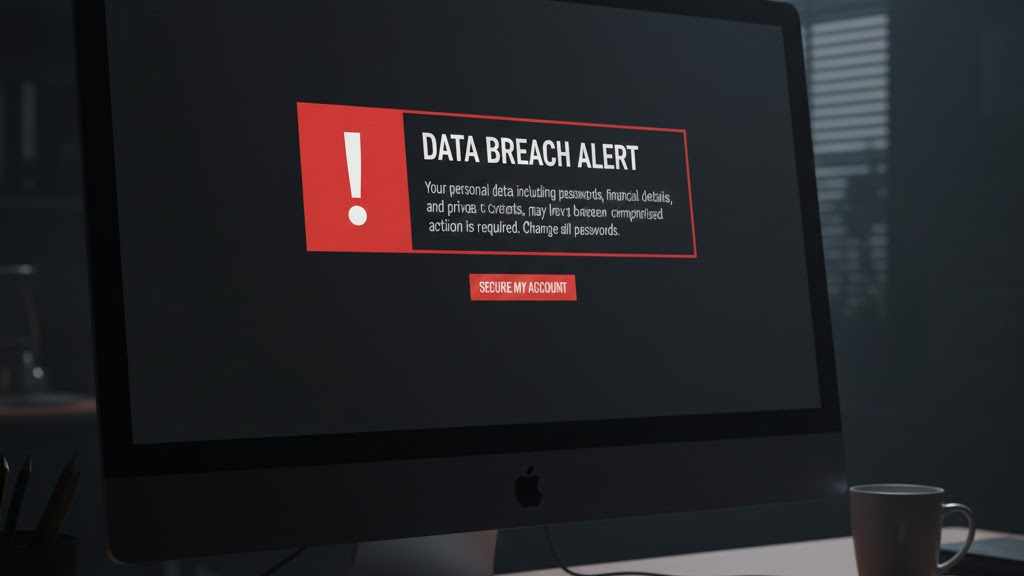
A major shock has hit America’s cybersecurity ecosystem. A well-known U.S. service provider has suffered a massive data breach, exposing millions of user records and raising urgent concerns about digital safety. Early investigations show that attackers gained access to sensitive personal details, including email addresses, login credentials, and even partial financial information.
This breach is one of the largest incidents reported this year, and experts warn that cybercriminals are using more advanced methods than ever to infiltrate corporate systems.
What Happened?
According to initial analysis, the attackers bypassed internal security controls and accessed a large chunk of the company’s user database. While the full impact is still being assessed, leaked information reportedly includes:
- Usernames and email addresses
- Encrypted/hashed passwords
- Partial payment details
- Account-related personal info
Although full credit card numbers were not exposed, even partial financial data can be dangerous when combined with login credentials.
Why This Breach Is So Serious
Cybersecurity analysts believe this attack shows how quickly criminals are evolving. Rather than using outdated phishing schemes or brute-force attempts, attackers are now using:
- AI-powered intrusion tools
- Custom malware
- Advanced social engineering
- Exploits targeting outdated systems
These methods are harder to detect and can spread through networks rapidly.
Who Is Affected?
Millions of U.S. users may be at risk, especially those who:
- Reuse the same passwords across multiple sites
- Store financial details on online platforms
- Haven’t updated their security settings in a long time
Cyber experts warn that exposed credentials may eventually appear on the dark web, where criminals buy and sell stolen data.
What Users Should Do Immediately
To protect your accounts and financial information, experts strongly recommend:
Reset your password right now
Choose a strong, unique password not something reused elsewhere.
Enable multi-factor authentication (MFA)
This alone can block over 90% of unauthorized login attempts.
Check for unusual activity
Look for login alerts, password reset emails, or unknown device sign-ins.
Monitor financial accounts
Report any unfamiliar transactions immediately.
Beware of follow-up scams
Hackers often use stolen data to send fake “security alerts.”
The Bigger Cybersecurity Picture
This incident is another sign that U.S. companies must upgrade their defense systems. With cyberattacks becoming more frequent and more sophisticated, businesses can no longer rely on outdated security tools or slow response plans.
The breach is an urgent reminder that digital safety is a shared responsibility, companies must protect their systems, and users must secure their accounts.



 Cybervibe
Leave a comment