
The global race to build artificial intelligence infrastructure has triggered what many analysts describe as the largest capital-spending boom in the history of the technology sector. Big-tech companies including Amazon, Microsoft, Google, Meta, and even chip giants like Nvidia are pouring tens of billions of dollars into AI clusters, next-generation data centers, advanced GPUs, custom silicon, and high-bandwidth networking systems.
But behind the impressive scale of this AI expansion lies a growing financial risk that many investors are beginning to flag:
Much of this spending is being funded through debt, not cash.
While the strategy makes sense in a low-rate environment, it becomes far riskier if macroeconomic conditions tighten through higher interest rates, rising inflation, or weaker demand. The cost of servicing this debt could balloon, and the expected returns from AI may not arrive quickly enough to offset it.
In this article, we explore how the debt-fueled AI infrastructure boom emerged, why analysts are concerned, what scenarios could trigger instability, and what this means for the future of the tech sector.
Why Big Tech Is Borrowing to Fund AI Infrastructure
The shift toward debt-funded capital expenditure (capex) didn’t happen overnight. It is the result of several structural forces.
1. AI Is Incredibly Expensive More Than Any Prior Tech Wave
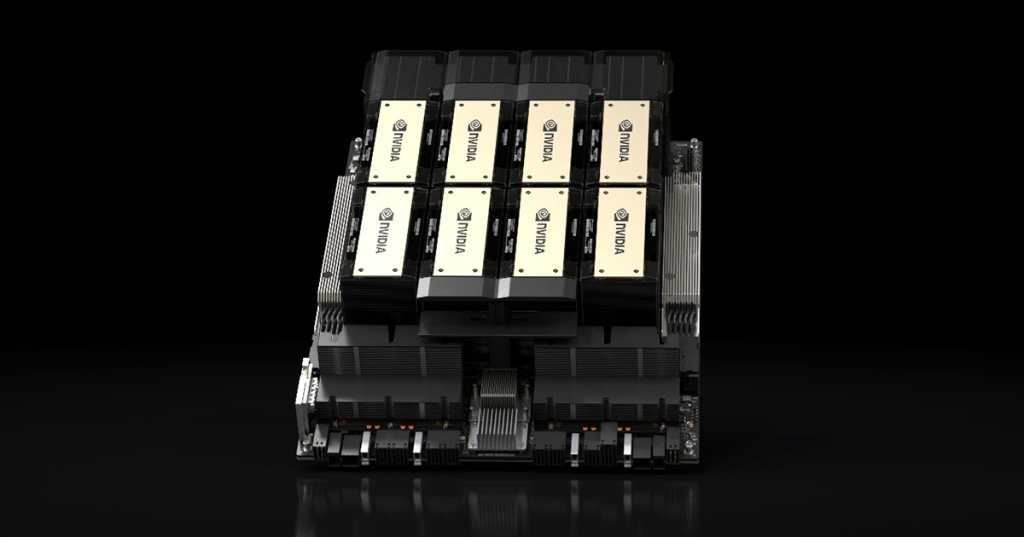
AI supercomputing clusters often require:
- Thousands of high-performance GPUs
- Massive high-density server racks
- Liquid cooling systems
- High-bandwidth memory
- Advanced interconnect technologies
- Entirely redesigned data centers
A single AI data center expansion can cost $5–$10 billion, and global cloud companies need dozens of them.
Even with massive cash reserves, paying for this entirely out of pocket would rapidly drain liquidity.
2. Borrowing Is Cheaper Than Liquidating Cash
Companies like Amazon, Apple, Microsoft, and Alphabet enjoy some of the strongest credit ratings in the world.
Issuing bonds helps them:
- Preserve cash for acquisitions
- Maintain strong balance sheet optics
- Benefit from tax advantages on interest payments
- Access huge global demand for corporate debt
For many CFOs, it is better to borrow at predictable interest rates than burn cash during a high-growth investment cycle.
3. Investors Are Hungry for High-Quality Corporate Bonds
Global bond markets have strong demand for:
- AAA and AA corporate issuances
- Stable cash-flow companies
- Debt backed by the world’s largest tech firms
This allows companies to raise billions very quickly fueling the fast AI build-out.
Why Analysts and Investors Are Now Worried

While debt-funding AI investments has advantages, it comes with significant risks, especially if economic conditions tighten.
1. Rising Interest Rates Make Debt More Expensive
If central banks raise rates:
- Refinancing becomes more costly
- New borrowing becomes prohibitive
- Interest payments begin eating into profits
- Debt-heavy companies lose financial flexibility
This can hit even profitable tech giants if their debt piles grow too large.
2. AI Monetization Is Slower and Costlier Than Expected
Despite the hype, the AI business model is still evolving.
Current challenges:
- High GPU costs
- Expensive training cycles
- Low margins on AI cloud services
- Slower enterprise adoption
- Regulatory headwinds
If AI revenue does not scale quickly, companies may struggle to justify the massive capital expenditures they financed with debt.
3. AI/Data-Center Builds Are Becoming Capital-Intensive Forever
Unlike software, AI infrastructure:
- Needs constant upgrades
- Has rapid depreciation cycles
- Requires continuous GPU refreshes
- Consumes enormous energy
- Needs large operational staff
This creates recurring costs, not one-time expenses meaning debt might continually grow.
4. Demand Could Slow During a Recession or Enterprise Pullback
A global downturn could trigger:
- Lower enterprise spending
- Delayed cloud migration
- Reduced AI pilot budgets
- Canceled GPU orders
- Slower advertising and digital services revenue
This would pressure both revenue and debt-servicing capacity.
5. Market Expectations Are Already Extremely High
Tech valuations are pricing in:
- Big AI profits
- Strong cloud growth
- Rapid enterprise adoption
- Sustained high capex cycles
If any of these expectations disappoint, stocks could fall sharply especially for companies carrying heavy debt.
Scenarios Where Debt-Funded AI Expansion Could Backfire

Analysts are monitoring several risk scenarios:
Scenario 1: Interest Rates Stay High Longer Than Expected
This would lead to:
- Rising interest expenses
- Lower free cash flow
- Reduced capacity to invest in new AI hardware
- Pressure on margins for cloud and semiconductor firms
Companies planning multi-year debt-financed expansions would be hit hardest.
Scenario 2: AI Demand Temporarily Slows
Even a short-term slowdown, especially in cloud AI adoption or GPU orders, could cause:
- Inventory corrections
- Reduced revenue visibility
- Delayed AI infrastructure builds
- Painful earnings misses
This is especially risky for companies priced for perfection.
Scenario 3: A Macro Recession or Major Credit Event
If the broader economy weakens:
- Bond yields could spike
- Corporate refinancing costs could soar
- Investors could flee high-debt companies
- Tech stocks could face widespread corrections
This risk is amplified in companies that rely on constant capex cycles.
Scenario 4: Competition Erodes Margins
Massive AI spending has triggered intense competition among:
- Cloud providers
- Chip manufacturers
- AI model companies
- Infrastructure builders
If competition drives prices down, debt can quickly become harder to service.
Which Companies Are Most at Risk?
While the largest firms are relatively safe due to strong cash flow, smaller or mid-tier companies involved in:
- AI infrastructure
- Semiconductor manufacturing
- Cloud hosting
- Hardware supply chains
- AI data services
may face tighter financial constraints.
Even big players like Amazon and Meta have already signaled:
- rising capex loads
- slowing margin expansion
- increasing debt levels
If growth doesn’t materialize as projected, all players could feel the pressure.
Long-Term Outlook: Is This Sustainable?

The sustainability of debt-funded AI expansions depends on two key factors:
1. How fast AI monetization accelerates
If enterprises adopt AI systems at massive scale, cloud providers will benefit tremendously.
If adoption slows, the returns may fall short.
2. How macroeconomic conditions evolve
A stable or easing rate environment makes debt strategies mostly safe.
A tightening environment makes them dangerous.
A High-Stakes Bet With Long-Term Consequences
Big tech’s rush to build AI infrastructure is reshaping the global economy but it comes with financial risks that are becoming harder to ignore.
Debt is a powerful tool, but it raises the stakes significantly:
- If AI growth delivers → the strategy works brilliantly
- If AI growth slows or rates rise → some companies could face painful corrections
Investors and analysts are right to warn that the current pace of debt-funded expansion may not be sustainable forever.
The next 12–24 months will reveal whether the AI boom will justify the massive spending or whether the tech sector has taken on more risk than it anticipated.


 Cybervibe
Leave a comment