
The global AI boom has unleashed one of the most aggressive infrastructure build-outs in the history of technology. Cloud giants, semiconductor leaders, and enterprise platforms are pouring tens of billions into GPUs, model-training clusters, hyperscale data centers, custom AI chips, and high-bandwidth networks.
But while the tech world races ahead, one critical question shapes the sustainability of these investments:
Will businesses adopt AI fast enough to justify the massive infrastructure spending?
Despite extraordinary enthusiasm around AI, economists, analysts, and industry strategists warn that the benefits of these infrastructure bets are far from guaranteed. Adoption rates, regulatory uncertainty, rising competition, and evolving business needs could all impact whether these bold investments pay off or become underperforming assets.
In this article, we explore why the success of AI infrastructure depends on real-world adoption, the risks companies face, and the scenarios that could cause these massive bets to fall short.
AI Infrastructure Is Expanding at Unprecedented Speed
Cloud and chip leaders including AWS, Microsoft, Google, Meta, Nvidia, AMD, and others are in the midst of a historic capital expenditure cycle.
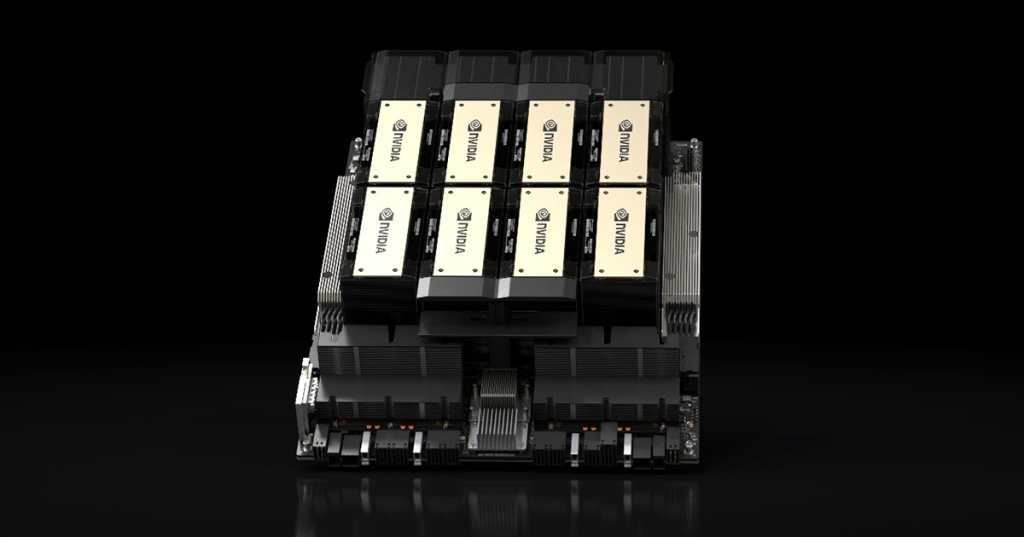
AI infrastructure spending includes:
- GPU supercomputers
- AI-optimized data centers
- Custom silicon (Trainium, TPU, MI300, etc.)
- High-bandwidth networking fabrics
- Edge-AI nodes
- Large-scale storage for training datasets
- Model inference systems
But this spending comes with a caveat:
It only pays off if customers actually use it.
Why Adoption Matters So Much
AI infrastructure is not like a one-time software subscription. It is:
- incredibly expensive to build
- even more expensive to operate
- in constant need of upgrades
- highly energy-intensive
- tied to volatile demand cycles
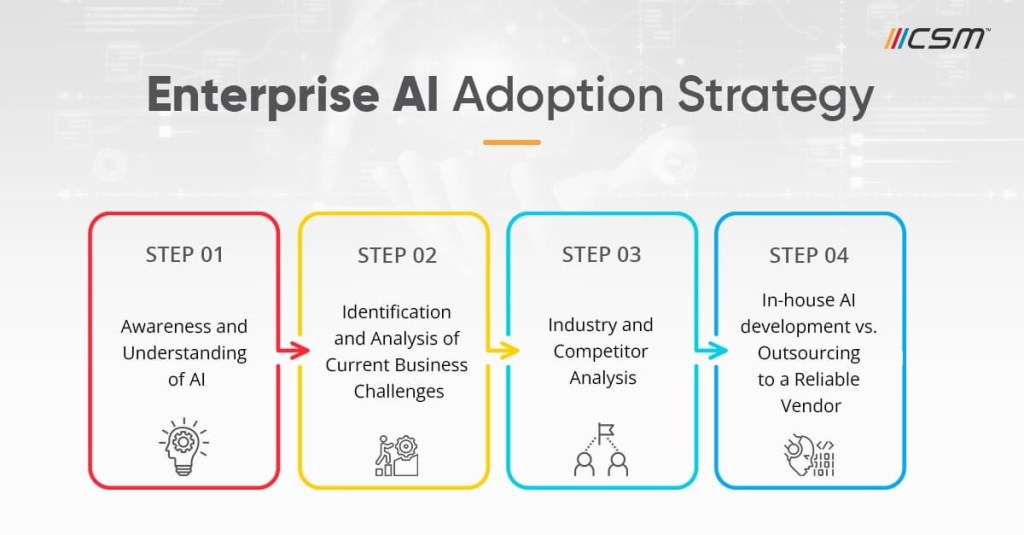
Cloud providers and chip makers expect businesses to adopt AI at scale to justify these costs. But the real-world picture is more complicated.
1. Many Businesses Still Struggle With AI Integration
While AI demos and pilot programs are everywhere, full-scale adoption is slower.
Challenges include:
- lack of internal expertise
- difficulty integrating AI into legacy workflows
- unclear ROI
- data fragmentation
- security and privacy concerns
- talent shortages
Enterprises love the idea of AI, but implementation often lags.
2. AI Models Are Expensive to Run
Training and inference costs remain high due to:
- GPU prices
- cloud compute fees
- storage and retrieval systems
- software licensing
- energy costs
Small and mid-sized businesses may simply not be ready for large-scale AI adoption due to cost constraints.
3. Companies Still Need Time to Understand AI ROI
AI promises efficiency and automation, but not all businesses see immediate returns.
Many early adopters report:
- productivity improvements, but not always cost savings
- increased operational complexity
- new overhead to manage AI systems
- slow cultural adoption inside teams
Until AI proves itself financially, widespread adoption may remain limited.
Regulatory Pressure Could Slow AI Momentum
AI regulation is accelerating globally:
- The EU’s AI Act
- US Executive Orders on AI
- China’s generative AI regulations
- Privacy protection rules
- Rules for AI safety and transparency
If governments impose strict controls on:
- model training
- data use
- compute limits
- high-risk AI applications
- cross-border data flows
…then the demand for massive AI infrastructure could face sudden constraints.
Regulation won’t kill AI, but it could slow or reshape the adoption curve.
Competition Risks Could Also Impact Infrastructure Returns
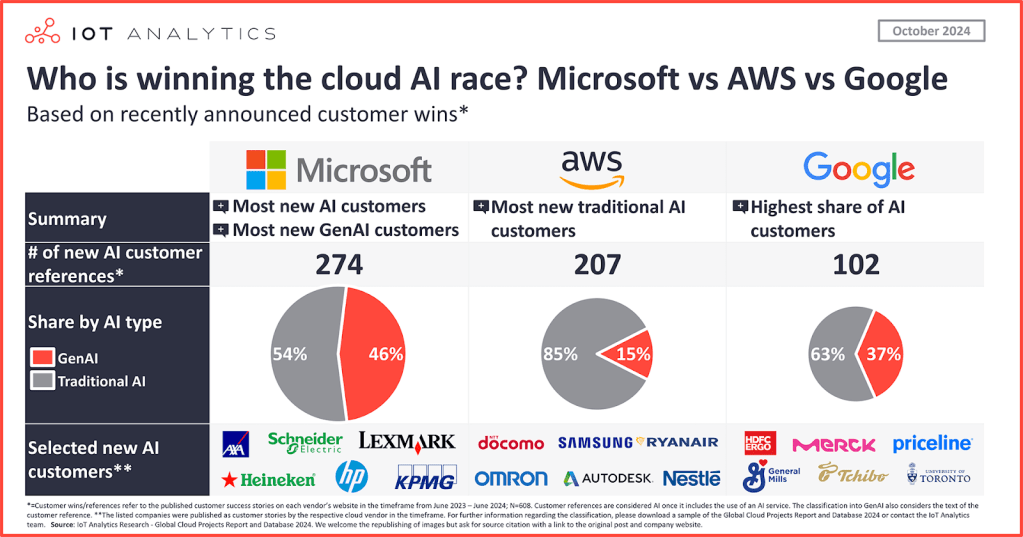
Even if adoption is strong, intense competition could reduce the profitability of AI infrastructure investments.
1. AI Cloud Prices May Decline Over Time
If cloud providers compete aggressively for AI customers, it could lead to:
- lower prices for inference
- discounted training clusters
- free AI tools bundled into cloud contracts
- margin compression in AI-as-a-service
This is already happening as Microsoft, AWS, and Google attempt to outbid each other for enterprise clients.
2. Model Providers Are Building Their Own Hardware
OpenAI, Tesla, Meta, and other major players are building internal compute clusters.
That may reduce reliance on cloud infrastructure from AWS or Microsoft.
If customers move to building in-house AI stacks, cloud investment returns could weaken.
3. Chipmakers Are Entering Each Other’s Turf
Nvidia dominates today, but:
- AMD’s MI300 series is strong
- Intel is trying to rebound
- startups like Groq, Cerebras, and SambaNova are gaining traction
- cloud providers are building custom silicon
Competition may eventually squeeze margins on AI hardware.
What Happens If AI Adoption Slows?
If businesses don’t adopt fast enough or regulatory/competitive pressures mount, some AI infrastructure bets may:
- underperform vs cost
- experience lower utilization rates
- increase payback periods
- require discounting to attract customers
- turn into oversupply in the cloud market
Some analysts fear overbuilding, the same phenomenon that affected:
- telecom fiber in the early 2000s
- cloud data centers in the early 2010s
- crypto mining infrastructure
The AI boom is different, but not immune.
Potential Slowdown Scenarios to Watch
Scenario 1: Enterprise AI adoption slows or plateaus
Companies delay deployments due to cost or complexity.
Scenario 2: Regulatory friction increases
Governments impose limits on high-risk AI use cases.
Scenario 3: Competitive pricing erodes profitability
AI cloud services become commoditized.
Scenario 4: Economic slowdown hits enterprise tech spending
Budgets shrink, delaying AI projects.
Scenario 5: GPU supply increases faster than demand
Resulting in oversupply and lower hardware prices.
Any of these scenarios could reduce returns on AI infrastructure making multi-billion-dollar expansions harder to justify.
Long-Term Outlook: Still Bright, But Not Guaranteed
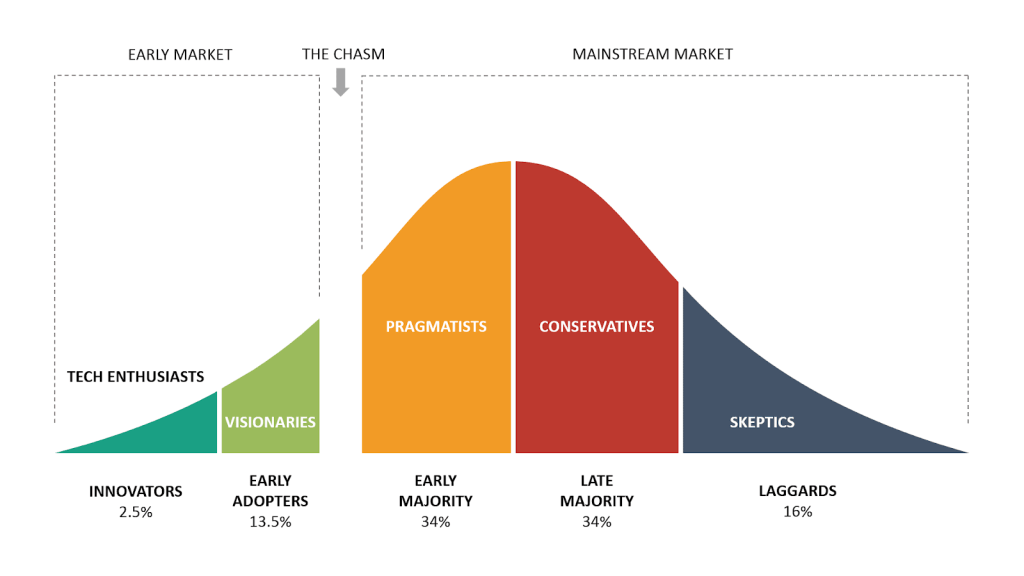
Despite the risks, most analysts still believe AI will transform the global economy.
But the timeline may not match the most optimistic projections.
AI infrastructure investments will pay off, but their success depends on:
- sustained enterprise adoption
- supportive regulations
- stable macroeconomic conditions
- competitive, profitable pricing
- proven ROI from AI models
AI is a long-term revolution not an overnight one.
AI Infrastructure Bets Are Bold But Adoption Will Decide Their Fate
Tech giants are betting big on AI with massive infrastructure investments. But these bets come with risks:
- slow enterprise adoption
- regulatory pressure
- high competition
- uncertain revenue timelines
- huge ongoing operating costs
The AI race will have winner and likely some losers depending on how quickly businesses embrace AI and how well companies navigate the regulatory and competitive landscape.
For now, one truth remains:
AI infrastructure is only as valuable as the world’s willingness and ability to use it.


 Cybervibe
Leave a comment