
The surge in demand for artificial intelligence (AI) infrastructure has inadvertently triggered a global shortage of memory chips, from DRAM and NAND used in everyday devices, to high-bandwidth memory used in data-center servers. This shortage is creating ripple effects across consumer electronics and enterprise hardware.
Manufacturers of smartphones, laptops, and gadgets are already warning of potential price hikes and delays as memory components become scarcer.
What’s Driving the Shortage?
• AI Infrastructure Demand Soaring
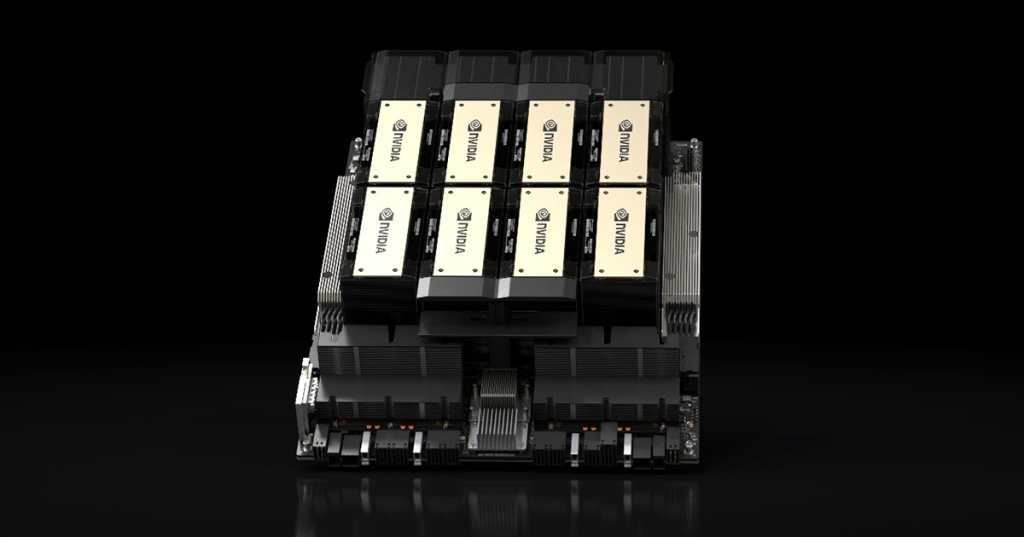
As companies invest heavily in powerful AI systems, data centers are gobbling up large volumes of memory, including high-bandwidth memory (HBM) and server-grade DRAM/NAND. That’s reducing supply for “traditional” memory chips used in phones, PCs, and everyday devices.
• Memory Makers Prioritizing High-Margin AI Memory
Chip manufacturers like Samsung Electronics, SK Hynix and others are shifting production lines to favor high-bandwidth, high-margin memory for AI workloads. As a result, production of conventional DRAM and NAND for consumer electronics has been scaled down.
• Dramatic Price Hikes Already Underway
Memory-chip prices have soared significantly. For example, contract prices for certain DRAM modules have reportedly risen by 30 %–60 %.
Many analysts and industry watchers expect the shortage to last until at least 2027–2028, when new production capacity may come online.

What It Means for Phones, Laptops & Gadgets
Price Hikes Are Likely
Because memory chips now cost more, manufacturers will have to either absorb the extra cost or pass it to consumers. That means upcoming phones, laptops, and other gadgets could become noticeably more expensive.
Product Delays & Limited Supply
Some tech companies are already warning of potential production delays due to memory shortages. As memory becomes a constrained resource, supply for new devices may not meet demand, leading to fewer stock units, longer shipping times, or delayed launches.
Reduced Configurations or Lower Specs
To mitigate cost pressure, manufacturers might reduce memory/storage in base models (less RAM, smaller storage), or release fewer high-spec variants. That means devices might ship with lower-than-usual memory/storage specs to keep prices competitive.
Secondary Effects: Repairs, Upgrades, Peripherals Affected
Even for existing devices, upgrades like extra RAM, SSDs, or storage cards might become pricier or harder to source. DIY PC builders, upgrade-hunters, and repair markets could suffer.
Broader Implication, Not Just for Consumers
- AI Infrastructure vs Consumer Tech: A Zero-Sum Game
The same memory chips needed for your smartphone or laptop are now being diverted to server farms and data-centers for training/fueling AI. This shift reflects a larger structural change: hardware makers prioritizing high-margin, enterprise-level demand over consumer markets. - Supply-Chain Stress & Geopolitical Risk
With memory factories operating at capacity and demand spiking, any disruption, trade restrictions, regional instability, manufacturing delay, can have outsized effects on global supply of electronics. - Longer-Term Tech Inflation
As memory costs rise, the price of everything using memory (phones, laptops, PCs, tablets, embedded devices) may trend upward. This could contribute to broader tech inflation over coming years.

What You Can Do as a Buyer (or Planner)
- Buy now if you need, don’t wait: If you’re planning to buy a new phone or laptop soon, consider purchasing ASAP, because delays and price hikes may hit in 2026–2027.
- Lock in deals early, check for limited-time offers or early-bird discounts before companies are forced to raise prices.
- Be flexible on specs: If premium RAM / storage isn’t crucial, consider base or mid-tier variants, or prioritize other features.
- Consider refurbished or older devices, they may offer better value if new devices become expensive.
The current memory-chip shortage is a wake-up call for the tech industry and consumers alike. Driven by the explosive demand from AI infrastructure, the supply crunch affects not only server farms and data centers, but ironically, everyday gadgets such as phones, laptops and tablets.
As memory becomes more precious, production costs rise, and availability shrinks, it’s likely that the “AI boom” may come at the expense of consumers who just want a new smartphone or laptop.
If you’re planning new electronics purchases anytime soon, it may be wise to act sooner rather than later.


 Cybervibe
Leave a comment