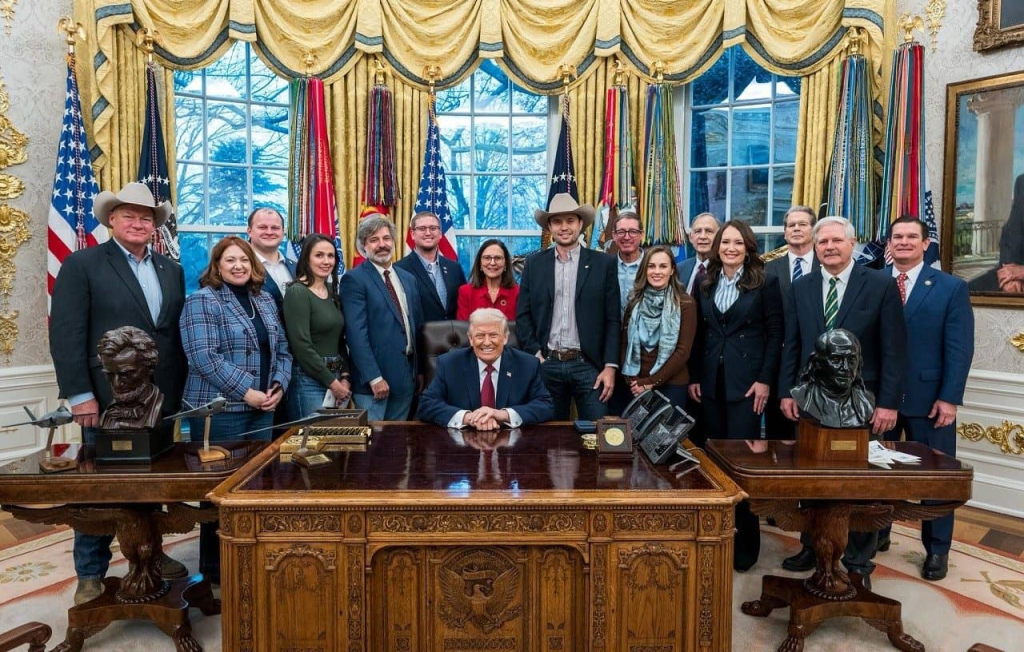
On December 8, 2025, Trump announced a $12 billion aid package for U.S. farmers suffering from the economic fallout of recent trade policies and tariff-driven disruptions, particularly those hit hard by declining export demand.
Here’s how the aid is structured:
- $11 billion is earmarked for “row-crop” farmers growing staple crops like soybeans, corn, wheat, cotton, etc.
- $1 billion is allocated for specialty crops, fruits, vegetables and other non-row crops.
- Payments will be one-time bridge payments, meant to help farmers cover costs like seeds, fertilizer, and other inputs for the next planting season.
- The funds will be distributed by February 28, 2026.
The money is drawn from tariff-revenue, according to the announcement.
The aid comes at a time when many U.S. farmers are facing steep challenges:
- Over the last years, trade tensions especially with major buyers like China disrupted traditional export markets, reducing demand for American crops such as soybeans and sorghum.
- The tariffs and trade war increased uncertainty and economic hardship. Farmers confronted lower prices, fewer buyers abroad, and rising costs for fertilizers, seeds and other essentials.
- For many, a normal harvest and export season wasn’t enough to break even — especially smaller farms and those dependent on exports to countries affected by trade policies.
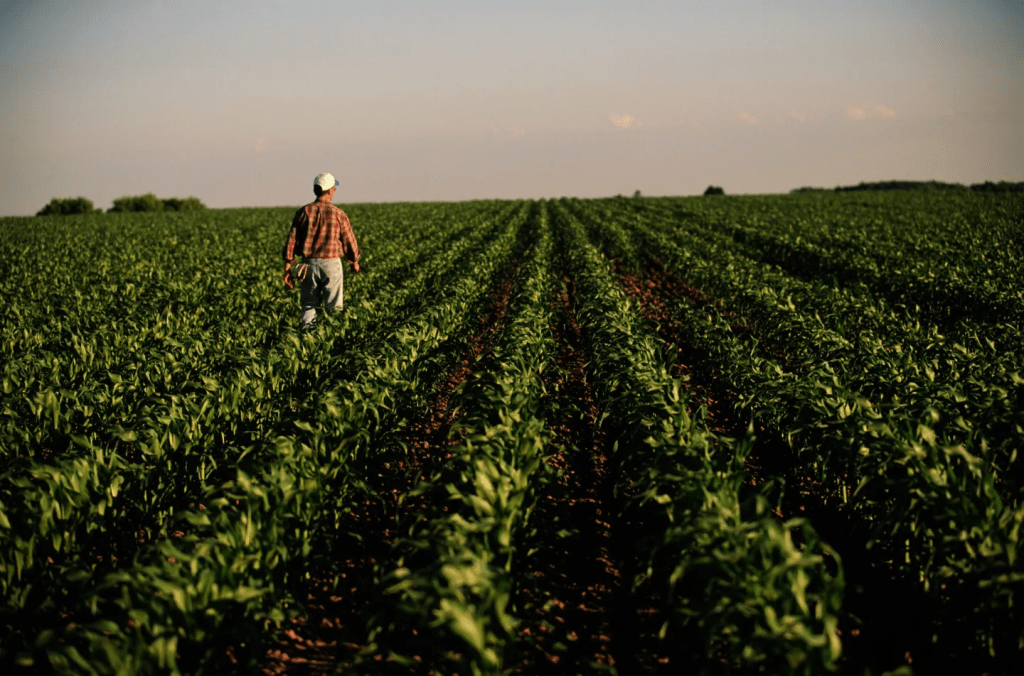
While the aid is a relief for many, a number of analysts and agriculture insiders argue the package might only patch over deeper structural issues, rather than solve them:
- The aid is a one-time payment not a long-term fix. It doesn’t guarantee stable demand or protect farmers from future trade- or price-shocks.
- Exports especially to China have not rebounded enough to pre-tariff levels. Some crops like soybeans remain vulnerable because buyers have shifted to other countries in Latin America.
- Rising costs of seeds, fertilizers, fuel, labor and other inputs are still a burden. Aid helps buy season-essential supplies, but doesn’t shield against inflation or global commodity-price swings.
- For many farms, especially smaller or debt-ridden ones, government support can’t replace stable demand and fair pricing. Some critics argue that the root problem is the trade and tariff policy itself.
In short the package may buy time, but doesn’t necessarily fix long-term sustainability for U.S. agriculture.
With this move, the administration is sending a few clear messages:
- It acknowledges that its own trade policies inflicted real economic pain on a key constituency — American farmers.
- It wants to reassure voters — especially in rural and farm-heavy regions — that “America First” will also mean “Farmers First.”
- It aims to stabilize agricultural output and supply chains, while hoping that renewed demand and revised trade deals will kick in soon.
But beyond politics, the stakes are big: U.S. agriculture supports a global supply of food and commodities. If farmers are squeezed out, supply-shock risks rise, potentially pushing up food and commodity prices worldwide.
The $12 billion aid package feels like a lifeline thrown at a burning house, urgent, necessary, and relieving immediate danger.
But if America wants a stable, resilient agricultural sector, one that doesn’t need recurring bailouts, then the conversation has to shift: from short-term subsidies to long-term trade stability, fair export markets, cost controls, and diversified demand.
Because a one-time check might keep farms afloat for a season.
But only structural changes can keep them thriving for decades.



 Cybervibe
Leave a comment